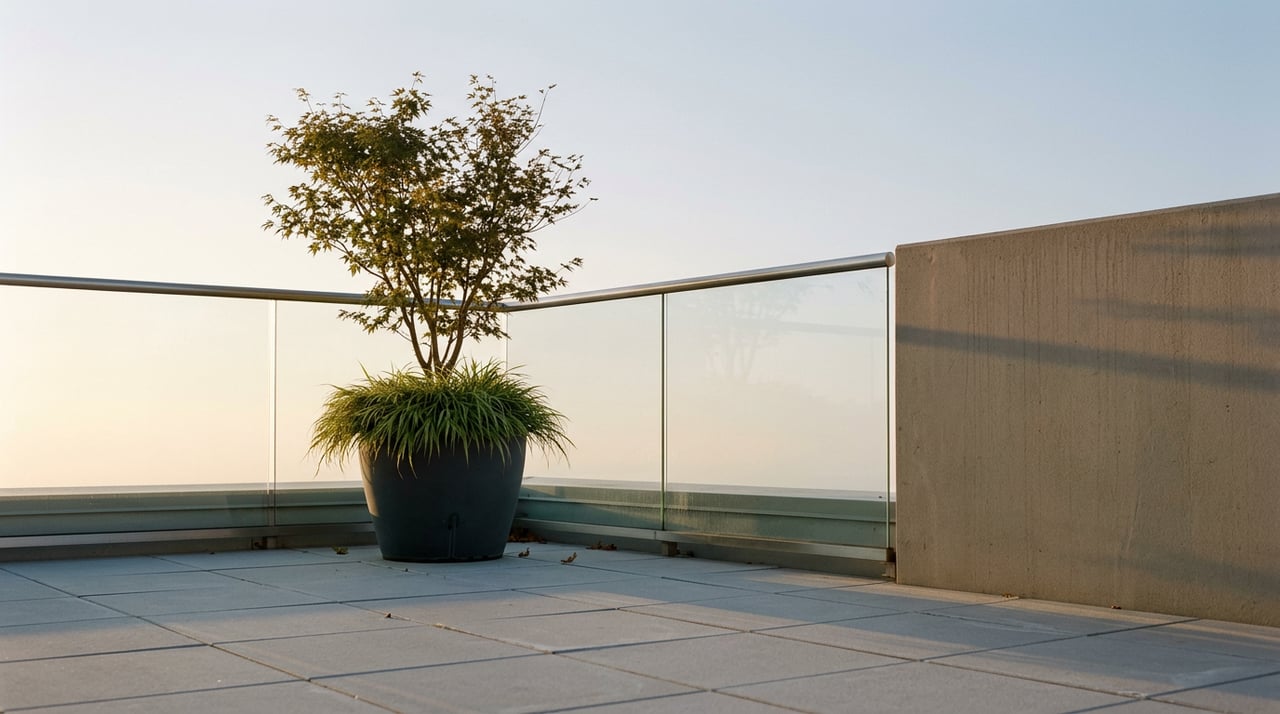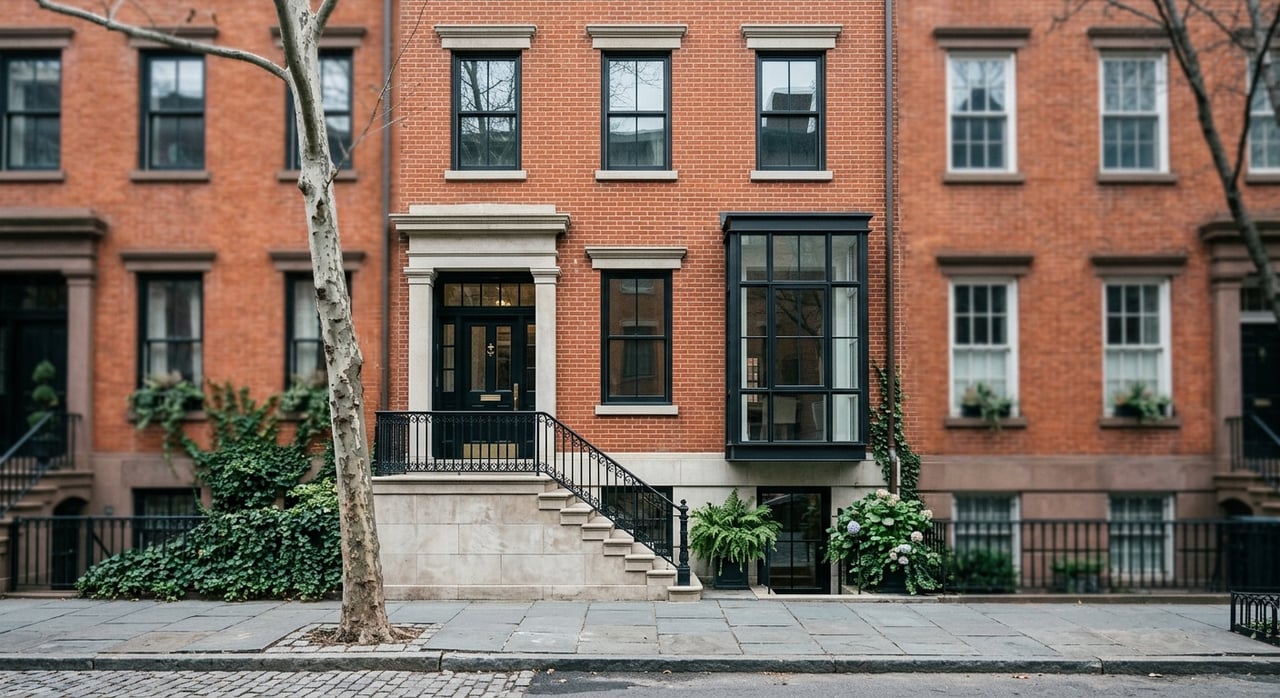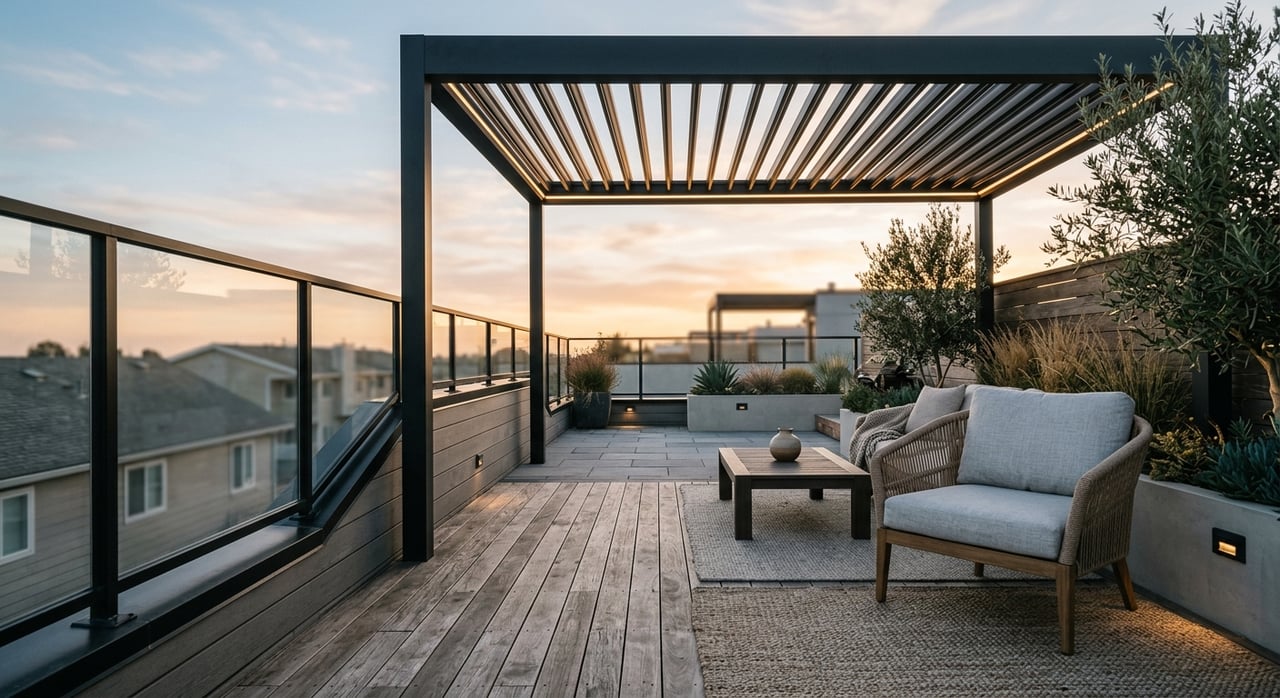
If a rooftop deck is on your Lake View wish list, you are not alone. The idea of private outdoor space in Chicago sounds simple, but the real value often depends on ownership rights, building records, and long-term maintenance. Before you fall for the view, it helps to know what questions to ask so you can judge the deck as carefully as the unit itself. Let’s dive in.
Why rooftop decks vary in Lake View
Lake View has a long multifamily history, with older apartment buildings, later high-rises, and four-plus-one development. Because of that, rooftop decks in the neighborhood may show up as retrofits on older structures or as planned amenities in newer condo buildings.
That variety matters when you buy. A rooftop deck may be a private feature tied to one unit, a limited common element assigned to certain units, or a shared common amenity for the building. Those differences affect who can use it, who maintains it, and who may help pay for future repairs.
Check ownership before you price the lifestyle
A deck that feels private is not always owned the way you might expect. Under the Illinois Condominium Property Act, condo declarations must describe common and limited common elements and explain how they are assigned.
In practice, that means your rooftop deck could still sit within the condo’s common-property structure even if only one owner uses it. It is important to confirm exactly how the space is classified in the declaration and related condo documents.
What ownership labels can mean
Here is a simple way to think about the most common setups:
| Setup | What it usually means for you |
|---|---|
| Private unit feature | The deck is tied directly to your unit ownership interest |
| Limited common element | The deck may be reserved for your unit or a small group of units, but still falls within the condo framework |
| Shared common amenity | The deck is available to multiple residents, subject to building rules |
The classification also matters for expenses. Illinois law allows limited-common-element costs to be assessed only to the units assigned to them, so a deck’s legal status can influence how future repair costs are divided.
Review HOA rules early
Even if the deck checks the lifestyle box, the condo rules may shape how useful it really is. Condo boards can adopt and amend rules for the use and operation of common elements, and those rules may apply to tenants as well as owners.
That is why you should confirm the practical details before you move forward. Ask whether there are restrictions on access, guests, grilling, furniture, storage, or quiet hours.
Rooftop deck rules to ask about
- Who can access the deck
- Whether guests are allowed and in what number
- Whether grilling is permitted
- What furniture or planters are allowed
- Whether storage is prohibited
- Whether there are noise or quiet-hour rules
- Whether renters can use the space under the same rules as owners
Small restrictions can make a big difference in day-to-day enjoyment. A deck with tight usage limits may offer a different experience than the photos suggest.
Confirm permits and inspection history
In Chicago, rooftop deck diligence should go beyond a visual walkthrough. The city provides public access to permit application status and building permit and inspection records by address, and some applications require plan review with architect- or engineer-prepared drawings.
Those records can be useful because inspection histories may show recurring rooftop-deck issues. Reported problems can include rotted members, altered parapets, missing or defective guardrails, and unpermitted work without signed-and-sealed plans.
Just as important, the absence of a violation does not prove full compliance. That is why buyers should treat clean-looking finishes as only one piece of the story.
Showing-day permit questions
- Is there a permit number for the deck work?
- Was there a final inspection?
- Was there engineer sign-off, where applicable?
- Are there open violations tied to the roof deck?
- Were there prior citations involving parapets or guardrails?
These are practical questions, especially in a neighborhood where decks may have been added to older buildings over time.
Watch for landmark review issues
Some Lake View properties may be in a Chicago landmark district or may be individually designated landmarks. In those cases, rooftop additions and decks visible from the public way can trigger review by the Commission on Chicago Landmarks.
For decks and roof decks, the review materials may call for existing and proposed drawings, site plans, elevations, roof plans, sections, photos, and sometimes engineering reports or visibility information. For landmark buildings, this review happens as part of the normal building-permit process.
If you are considering a unit in a landmark property, ask whether the building is subject to landmark review or other exterior design rules. This can matter not only for past work, but also for future changes you may want to make.
Plan for Chicago weather and seasonal use
A rooftop deck in Chicago is usually a warm-weather amenity, not a year-round extension of your living room. NOAA climate normals show about 38.4 inches of annual snowfall at O'Hare and 38.8 inches at Midway, with essentially no normal snowfall from June through September.
That climate pattern means winter use can be limited by snow, ice, and freeze-thaw conditions. In other words, the deck may add real lifestyle value, but it also faces the kind of exposure that can wear materials over time.
Why weather matters to your costs
City inspection records show the kinds of maintenance issues buyers should watch for, including:
- Severely rotted or loose members
- Missing or undersized railings
- Buckling or cupping deck surfaces
- Parapet changes made to accommodate a deck
These are not cosmetic details. They can affect safety, maintenance planning, and future association spending.
Ask about maintenance responsibility
In Chicago, a rooftop deck is best viewed as an exposed building component. Along with the deck surface itself, you should ask about the waterproofing membrane, drainage, railings, and access doors.
You should also ask whether snow removal or winter protection is part of the association’s routine maintenance. Even when the space feels private, the long-term cost may be shared through assessments, reserve contributions, or future repair projects depending on the condo documents.
Maintenance questions worth asking
- How old is the waterproofing membrane?
- How is drainage handled?
- When were the railings last updated or inspected?
- What is the age and condition of the deck surface?
- Who maintains access doors and related roof components?
- Is snow removal included in routine building maintenance?
Clear answers now can help you avoid expensive surprises later.
Study reserves and the annual budget
A rooftop deck should be part lifestyle decision and part financial review. Illinois law requires condo boards to distribute a detailed proposed annual budget to owners, including anticipated common expenses by category and each unit owner’s proposed common-expense assessment.
The law also requires reasonable reserves for capital expenditures and deferred maintenance. When setting reserves, boards must consider replacement cost, useful life, reserve studies, the financial impact on unit owners, the market value of units, and financing ability.
If an association waives reserve requirements, that fact must be disclosed to owners and prospective purchasers. For a buyer looking at a rooftop deck, that disclosure matters.
Reserve questions for a rooftop deck purchase
- Is there a recent reserve study?
- Does it specifically account for the roof membrane, railings, and deck surface?
- Are reserves funded at a level that reflects future roof-related costs?
- Has the association waived reserve requirements?
- Are there signs that future special assessments may be needed?
A well-documented deck backed by healthy reserves is very different from one attached to weak planning.
Use the resale package as a decision tool
For resale purchases, the condo disclosure package is often as important as the showing itself. Under Illinois law, that package should include the declaration, bylaws, rules and regulations, liens, the reserve-for-replacement fund, the association’s financial condition, pending suits or judgments, insurance coverage, and a statement about whether prior alterations appear to comply with the declaration.
For a rooftop deck, these documents help you understand whether the space adds confidence or adds uncertainty. You are not just evaluating the outdoor area. You are evaluating the paper trail behind it.
A smart Lake View buyer takeaway
In Lake View, rooftop deck value is usually a tradeoff between lifestyle benefit and long-term carrying cost. A deck with clear ownership, solid records, healthy reserves, and defined maintenance responsibility stands apart from one with vague documentation or deferred upkeep.
If you are comparing condos, try to look past the staging and sunset potential for a moment. The better buy is often the one where the deck is fully understood, not just visually appealing.
When you want help comparing Lake View condos with rooftop amenities, understanding condo documents, or identifying the questions that matter before you make an offer, the team at Novit Soldit Group is here to help you buy with clarity and confidence.
FAQs
What should you ask about a Lake View rooftop deck before making an offer?
- Ask whether the deck is deeded, a limited common element, or a shared amenity, and confirm permit history, inspection status, rules, maintenance responsibility, and reserve planning.
How do condo rules affect rooftop deck use in Lake View?
- Condo boards may set rules on access, guests, grilling, furniture, storage, and quiet hours, so your actual use of the space may differ from how it appears during a showing.
Why do permits matter for a Chicago rooftop deck?
- Chicago permit and inspection records can reveal whether deck work had proper review, final inspection, and signs of issues such as guardrail problems, parapet changes, or unpermitted work.
How does Chicago weather affect rooftop deck ownership?
- Chicago snowfall and freeze-thaw conditions can limit winter use and increase wear on surfaces, railings, drainage, and waterproofing components over time.
Why are condo reserves important when buying a Lake View unit with a rooftop deck?
- Reserves can indicate whether the association is financially prepared for future roof- and deck-related repairs, which may affect your long-term costs through assessments or repair projects.
What documents matter most for a resale condo with a rooftop deck in Lake View?
- The declaration, bylaws, rules, reserve information, financial statements, insurance coverage, and alteration-compliance statement can help you verify how the deck is classified, maintained, and budgeted for.