Looking for a Chicago neighborhood where you can grab coffee on Wells Street, catch a show at night, and still make it to the lake with ease? Old Town stands out because it blends historic streets, everyday convenience, and quick access to Lincoln Park and the lakefront. If you are thinking about buying, selling, or simply learning the area, this guide will help you understand what daily life in Old Town really feels like. Let’s dive in.
Why Old Town Feels Distinct
Old Town offers a mix that is hard to replicate in other parts of Chicago. You get landmarked streetscapes, a busy commercial corridor, well-known performance venues, and practical access to parks and the lakefront.
A big part of that identity comes from the Old Town Triangle District. According to the City of Chicago, this landmark district is bounded by Lincoln, North, Wells, and the former Ogden right-of-way, with much of its built environment dating from 1871 to 1900. The area grew from early German settlement, post-Great Fire rebuilding, and later revitalization efforts.
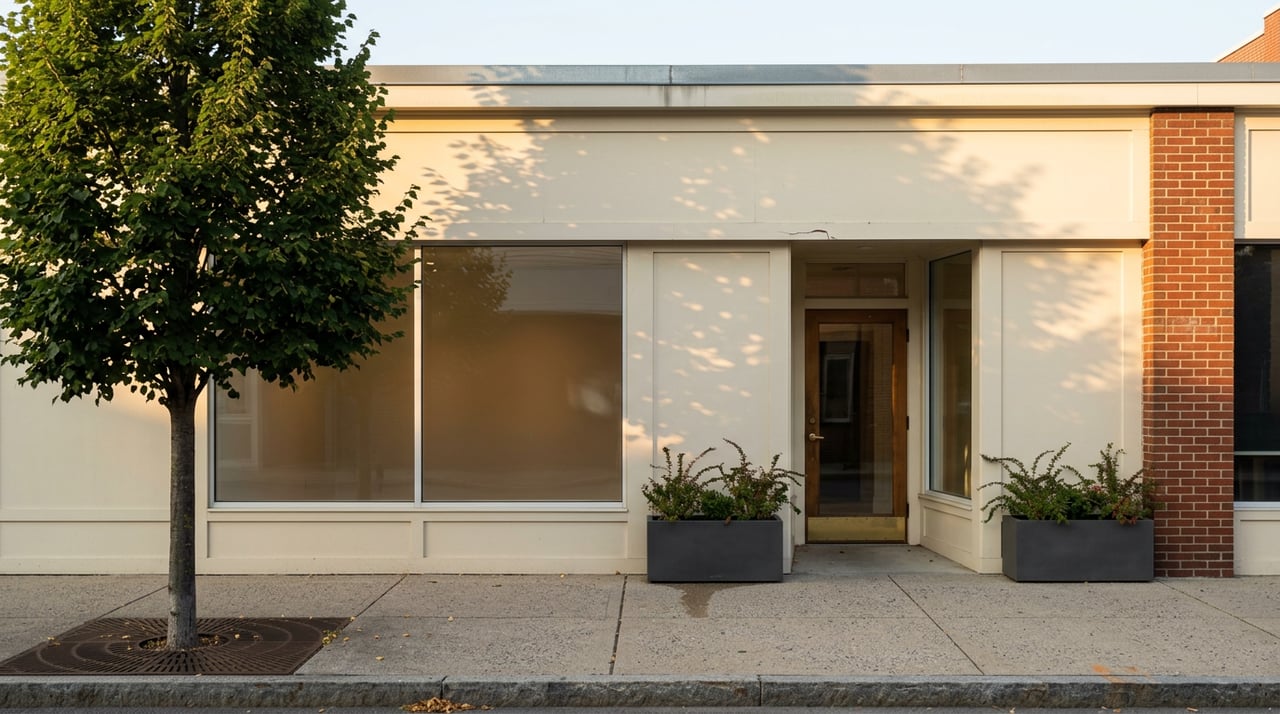
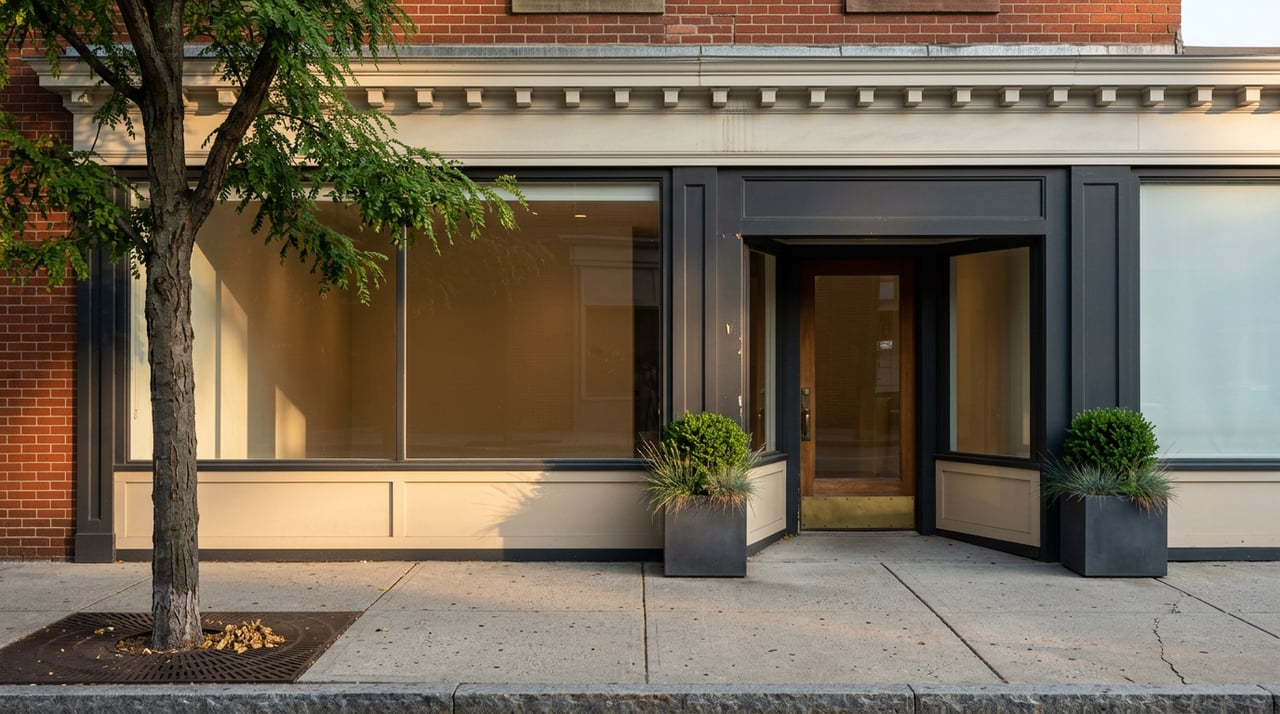
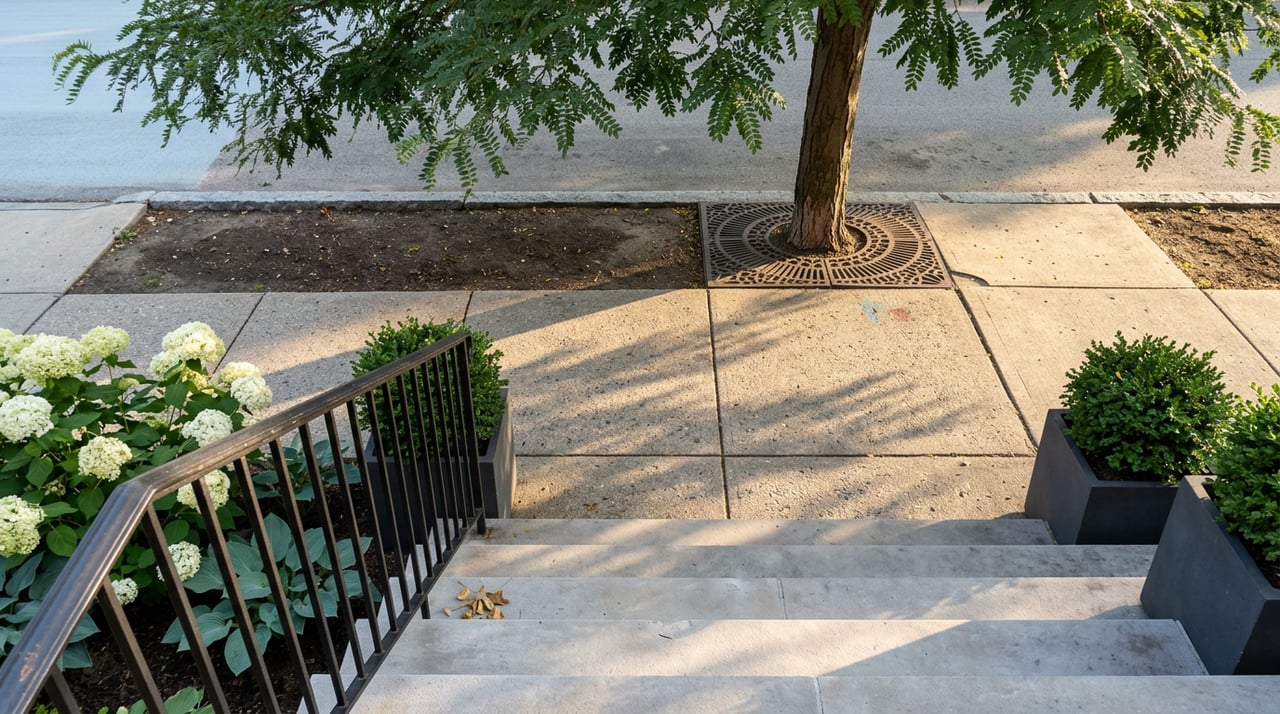
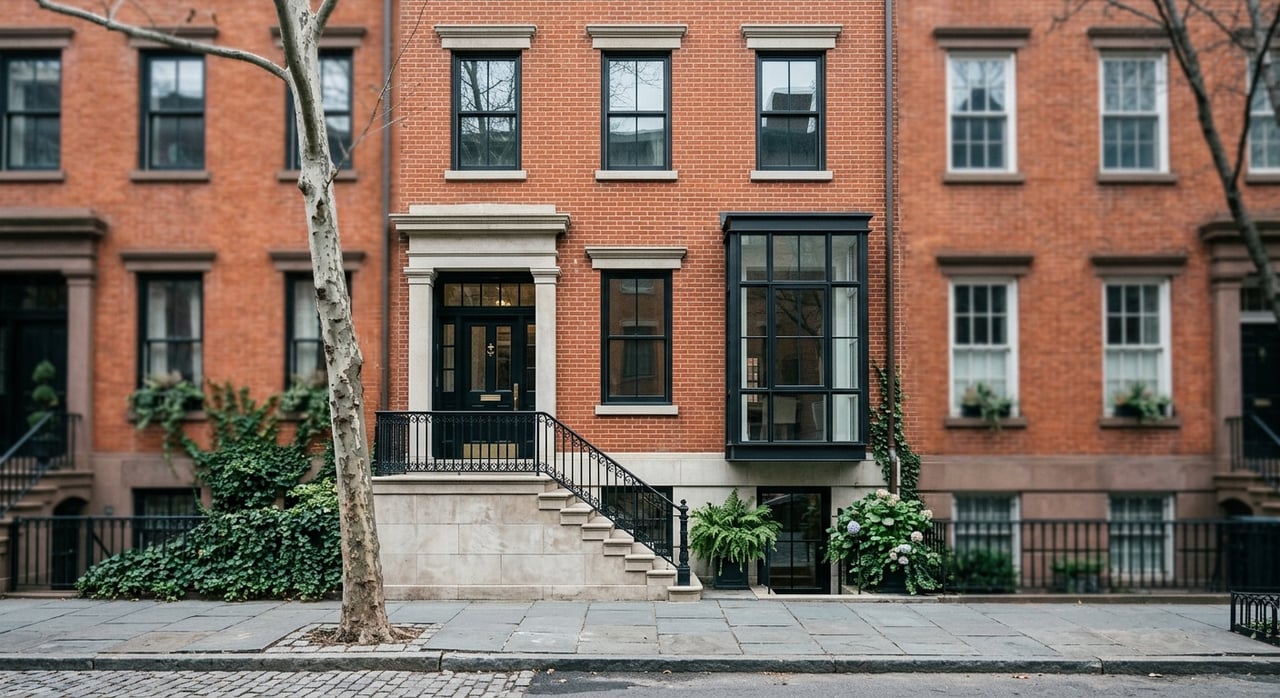
That history still shows up in the neighborhood’s look and feel today. The district includes worker’s-style cottages, brick and stone houses, rowhouses, and apartment buildings on narrow, tree-lined streets. For you as a buyer or seller, that means Old Town is not defined by one single housing type.
Wells Street Shapes Daily Life
If you want to understand Old Town, start with Wells Street. The Old Town Merchants & Residents Association describes it as the center of neighborhood activity, with retailers, health and wellness businesses, bars, restaurants, comedy clubs, independent theater, and community organizations.
In practical terms, Wells Street is where a lot of daily life happens. It is the kind of corridor where you can run errands, meet friends, go out for dinner, or build a routine around places you can reach on foot.
Wells Street also gives Old Town much of its energy. The neighborhood is known for destinations like The Second City, Zanies, and A Red Orchid Theatre, while the broader dining and nightlife scene adds to the area’s strong local identity.
Throughout the year, neighborhood events help reinforce that sense of place. Choose Chicago notes that the Old Town Art Fair draws more than 200 artists, and the Old Town Merchants & Residents Association highlights the Wells Street Art Festival as an annual June event.
Old Town Walkability and Transit
One of Old Town’s biggest strengths is how many ways you can get around. If you prefer to walk, bike, ride transit, or drive depending on the day, the neighborhood supports that flexibility.
For rail access, nearby CTA stations include Sedgwick on the Brown and Purple lines and Clark/Division on the Red Line. CTA lists Sedgwick as accessible, with connections to bus routes #37 and #72. Clark/Division is also accessible and connects to bus routes #22, #36, #70, and #156.
That kind of access matters in everyday life. It can make commuting, meeting friends in other parts of the city, or handling routine errands feel much more manageable.
Wells Street is also a designated bike corridor with painted lanes in both directions, according to the neighborhood association. If you like biking for transportation and not just recreation, that is a meaningful advantage.
For drivers, the area is accessible from Lake Shore Drive and major roads. That helps explain why Old Town works well for residents who mix walking, transit, biking, and driving instead of relying on only one option.
From Wells Street to the Lake
The title of this guide says a lot about why Old Town appeals to so many buyers. You are not choosing between city energy and outdoor access. In Old Town, you can have both within your normal routine.
The neighborhood’s east side opens into Lincoln Park and the lakefront. That proximity makes the lake feel usable in real life, not just like a nice feature on a map.
North Avenue Beach sits in Lincoln Park at North Avenue and Lake Michigan. The Chicago Park District notes that the beach has an accessible path of travel to the shoreline, which adds to the area’s ease of use.
The Lakefront Trail is another major part of the lifestyle equation. The Chicago Park District says the trail runs from Ardmore to 71st and, since the 2018 separation project, includes an 18-mile bike trail and an 18.5-mile pedestrian trail.
For many residents, this means lakefront access becomes part of the week. You can head out for a morning run, bike ride, or walk without planning your entire day around it.
Parks That Support Everyday Living
Large destination spaces matter, but so do the smaller parks you actually use on a regular basis. Old Town benefits from both.
Bauler Park is a 0.81-acre park in Lincoln Park with a playground and pickleball courts. It is not massive, but it adds a useful everyday green space to the neighborhood mix.
Eugenie Triangle Park offers another small but practical outdoor option. Located at Clark and LaSalle on the southeast edge of Lincoln Park, it functions as a passive greenspace that helps break up the denser urban setting.
These smaller parks can make a real difference in how a neighborhood feels. In a dense part of the city, pocket parks help create breathing room and make outdoor time easier to fit into your routine.
Old Town Housing Options
Old Town’s housing story is best understood as a contrast between historic character and newer inventory. That range is one reason the neighborhood attracts different kinds of buyers.
Within the landmark district and surrounding blocks, the City of Chicago points to cottages, larger brick and stone houses, rowhouses, and apartment buildings. These homes help define the neighborhood’s classic architectural identity.
At the same time, neighborhood sources note hundreds of new housing units along North Avenue and large residential buildings along Division Street. That suggests buyers may find a mix of older low-rise homes, walk-up buildings, and newer condo options depending on the block and the type of lifestyle they want.
If you are buying, this variety gives you choices. If you are selling, it means your home’s positioning should reflect not just square footage or finishes, but also how your specific location connects to Wells Street, transit, parks, and the lakefront.
What Buyers Should Consider
If you are thinking about buying in Old Town, it helps to focus on how you actually want to live day to day. The neighborhood offers enough variety that one block can feel quite different from another.
A few questions can help narrow your search:
- Do you want to be closest to Wells Street’s restaurants, shops, and entertainment?
- Do you prioritize faster access to the lakefront and Lincoln Park?
- Are you drawn to historic housing character or newer residential buildings?
- How important is proximity to the Red Line, Brown Line, or Purple Line?
- Do you want a home that supports more walking and biking in your weekly routine?
Those lifestyle details often shape the right decision as much as the property itself. In a neighborhood like Old Town, location within the neighborhood can be just as important as the unit or house you choose.
What Sellers Should Highlight
If you are selling in Old Town, your home’s appeal is often tied to the neighborhood story. Buyers are not just comparing finishes. They are also comparing convenience, character, and access.
That means it is smart to emphasize features such as:
- Proximity to Wells Street dining, retail, and entertainment
- Access to Sedgwick or Clark/Division stations
- Connections to bike lanes and the Lakefront Trail
- Nearby access to Lincoln Park and North Avenue Beach
- Historic architectural details or the benefits of newer construction, depending on the property
In a neighborhood with both landmark charm and modern inventory, presentation matters. A thoughtful marketing strategy should show how your property fits into Old Town’s broader lifestyle.
Why Old Town Appeals Long Term
Old Town continues to attract attention because it offers more than one reason to live there. Some people come for the historic streets. Others value the nightlife, theater scene, or quick access to the lake.
What makes the neighborhood especially compelling is how those pieces work together. You can enjoy a lively commercial corridor on Wells Street, then shift into quieter residential streets or head east toward Lincoln Park and the water.
That balance gives Old Town staying power. It feels connected, active, and established, while still offering a range of housing choices that support different goals.
If you are exploring Old Town as a place to buy, sell, or invest, local block-by-block insight can make a real difference. The Novit Soldit Group helps clients navigate Chicago neighborhoods with a personalized, high-touch approach grounded in real local knowledge.
FAQs
Is Old Town Chicago walkable for daily errands and going out?
- Yes. Wells Street serves as the neighborhood’s commercial center, and Old Town also offers CTA access, bike lanes on Wells Street, and easy connections to surrounding areas.
How close is the lake from Old Town Chicago?
- Old Town is very close in practical day-to-day terms because its east side opens into Lincoln Park, with North Avenue Beach and the Lakefront Trail nearby.
What types of homes are common in Old Town Chicago?
- Old Town includes historic cottages, brick and stone houses, rowhouses, apartment buildings, and newer residential inventory along corridors such as North Avenue and Division Street.
What makes Old Town Chicago different from nearby neighborhoods?
- Old Town stands out for its combination of landmarked housing, Wells Street nightlife and entertainment, performance venues, and easy lakefront access.
Does Old Town Chicago have good public transit access?
- Yes. Nearby CTA access includes Sedgwick on the Brown and Purple lines and Clark/Division on the Red Line, along with several connecting bus routes.