Thinking about buying a historic home in Coral Gables? You are not alone. These properties offer charm, craftsmanship, and a strong sense of place, but they also come with rules, upkeep needs, and renovation limits that are different from a typical home purchase. If you want the character without the surprises, this guide will help you understand what to look for, what to ask, and how to buy with confidence. Let’s dive in.
Why Coral Gables Historic Homes Stand Out
Coral Gables has a distinct identity because it was planned with a clear architectural vision. The city describes its early development as part of the City Beautiful and Garden City movements, with design principles that emphasized open space, setbacks, porches, and street-facing entries.
That vision still shapes the homes you see today. While many buyers picture Mediterranean Revival first, Coral Gables’ historic housing stock is broader than that, with wood-frame vernacular homes and later-period properties also contributing to the city’s historic character.
The city says it now has more than 1,000 properties on the Coral Gables Register of Historic Places. That scale matters because it means historic status is not rare here. It is woven into the local housing landscape.
What “Historic” Means in Coral Gables
Before you fall in love with a facade or original details, it helps to know how the city defines a historic property. In Coral Gables, local historic designation generally requires a property to be at least 50 years old and to have historical, cultural, aesthetic, or architectural significance.
The first question to ask is whether a home is a local landmark or located within a local historic district. That single detail can affect what changes you can make, what approvals you may need, and how long a future renovation timeline could take.
Coral Gables runs its own preservation program. Miami-Dade County notes that Coral Gables opted out of the county’s historic-preservation jurisdiction, so buyers should look to the city’s process and rules when evaluating a designated property.
Why Construction Details Matter
A big part of Coral Gables’ historic appeal comes from how these homes were originally built. The city’s design guidance says the early building code emphasized durable masonry construction, including coral rock, poured concrete, concrete block, or brick, with stuccoed exterior masonry surfaces in most cases.
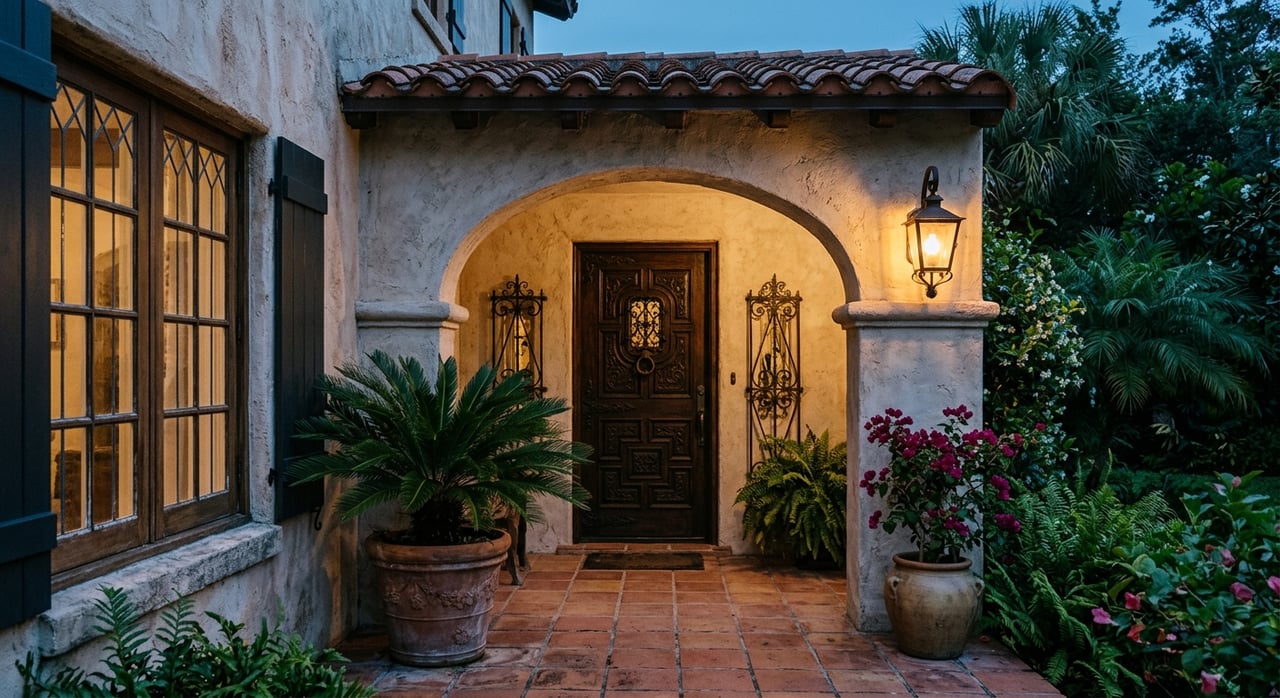
For you as a buyer, this means the materials are not just cosmetic. Coral rock, stucco, masonry walls, barrel tile roofs, carved wood details, loggias, and porte-cocheres can all be part of what gives a home its character.
Those same features can also affect maintenance and renovation costs. Historic materials often need specialized repair work rather than standard replacement methods, especially when preserving the original appearance matters.
What Buyers Need to Know About Preservation Rules
The biggest regulatory trigger for most buyers is exterior work. Coral Gables says exterior work that requires a permit is reviewed by Historic Preservation, and a Certificate of Appropriateness is generally required before most exterior work begins, before a building permit can be issued, and before any variance can be granted.
Some smaller projects may move faster than others. The city says minor work such as re-roofing, painting, and in-kind repairs may be handled administratively, while additions, demolition, and major exterior remodeling go before the Historic Preservation Board for a public hearing.
This is why your plans matter before you close, not after. If you are buying a home because you want to expand it, rework the front elevation, or make major exterior changes, you should understand the review path early.
Interior changes are often simpler
For many owner-occupants, the good news is that interior remodeling is generally less restricted. Coral Gables says interior remodeling of a designated historic structure is usually not subject to the same review unless tax relief is requested.
That said, if tax relief is involved, the review may extend to interior details. The city notes that features such as original flooring, fireplaces, niches, moldings, open-beamed ceilings, staircase details, and some window treatments may come into play in that situation.
Historic district rules can still apply
Do not assume a home escapes review just because it is not the most architecturally notable property on the block. The city’s definitions note that even non-contributing buildings in a landmark district can still be reviewed for exterior alterations, additions, or demolition.
That makes district status just as important as individual landmark status during due diligence. A quick check up front can save you from major frustration later.
Renovating a Historic Home the Smart Way
If you plan to improve a historic home in Coral Gables, compatibility is the key idea. The city’s preservation standards say historic features should be repaired rather than replaced when possible, and additions or new construction should be compatible in scale, massing, materials, and detail.
In practical terms, this affects many common projects. Windows, roof form, stucco, coral rock, and visible architectural details may carry more weight in the review process than buyers expect.
The city also advises that additions should avoid the main elevation when possible and be placed on secondary facades. Its single-family design guidance also warns against garages dominating the facade, excessive height, and setback encroachments that weaken neighborhood character.
Flood and elevation planning matter too
In some low-lying areas, renovation planning may involve more than preservation design. Coral Gables notes that elevation changes or freeboard may be needed for flood prevention and FEMA compliance.
If you think you may renovate after purchase, bring that conversation up early. A project that involves both historic review and elevation planning can be more complex than a standard remodel.
Older homes may need variances
Another detail many buyers miss is zoning history. Coral Gables says some older significant properties were built before later zoning provisions existed, and they may need variances to keep their distinctiveness and setting intact.
That means a planned addition, pool house, garage change, or facade alteration may require more than a simple permit. If flexibility is important to you, this is worth reviewing before you commit.
A Practical Due Diligence Checklist
Historic homes can be wonderful purchases, but they reward careful prep. Before you move forward, use a focused checklist that helps you understand both the home and the city process.
Here are some smart questions and document requests to make part of your review:
- Confirm whether the property is a local landmark or within a local historic district
- Ask for prior Certificates of Appropriateness, permits, and records of approved work
- Request any tax-exemption paperwork or covenant documents tied to past rehabilitation
- Review roof history, moisture history, and masonry or stucco repairs
- Verify whether previous additions or exterior changes were properly approved
- Discuss your future renovation goals before closing, especially if they involve the exterior
Because these homes often use older materials and construction methods, your inspection team matters. A preservation-aware inspector and contractors familiar with stucco, coral rock, masonry, and historic windows can help you spot issues that a standard review might miss.
Understanding Tax Incentives Without Confusion
Historic-home tax incentives can be helpful, but they are easy to misunderstand. Miami-Dade County and the Florida Division of Historical Resources describe a local historic-property tax exemption tied to approved rehabilitation.
In general, that exemption is based on the increase in assessed value created by the improvement, may last up to 10 years, applies only to the taxing authority granting it, and requires a pre-construction application followed by a post-construction review. Florida also says a covenant is required for the exemption term.
The timing is important. Because the application must happen before construction, you cannot assume you can do the work first and sort out the incentive later.
Historic designation does not automatically raise taxes
One common fear is that a historic designation means an automatic tax jump. Coral Gables says local historic designation does not increase property taxes solely because of the designation itself.
That does not mean taxes never change after improvements, but the designation alone is not the reason. It is one more reminder to separate myth from process when you evaluate a historic purchase.
Federal credits are not for most owner-occupants
Another area of confusion is the federal Historic Rehabilitation Tax Credit. The National Park Service says this is a 20% credit for certified rehabilitations of certified historic structures, but it applies only to income-producing properties and cannot be used to rehabilitate a private owner-occupied residence.
If you are buying a primary home or second home for personal use, that federal credit is generally not the incentive you are looking for. Local rules and local approvals are the more relevant place to focus.
Is a Historic Home Right for You?
Buying a historic home in Coral Gables can be a great fit if you value architecture, original details, and a home with a clear sense of identity. These properties can offer beauty and character that newer homes often cannot replicate.
At the same time, the best experience comes when your expectations match the reality of ownership. If you want total design freedom on the exterior, or if you plan to make fast, major changes, a designated property may feel more limiting than expected.
The right approach is to buy with a plan. When you understand the home’s status, materials, maintenance history, and approval path, you can enjoy the charm while protecting your budget and timeline.
If you are exploring historic homes in Coral Gables and want a clear, thoughtful strategy, the team at Novit Soldit Group can help you evaluate the details, ask the right questions, and move forward with confidence.
FAQs
What makes a home historic in Coral Gables?
- In Coral Gables, local historic designation generally means a property is at least 50 years old and has historical, cultural, aesthetic, or architectural significance.
What should buyers ask before buying a historic home in Coral Gables?
- You should confirm whether the home is a local landmark or in a local historic district, and request prior permits, Certificates of Appropriateness, tax documents, and records of exterior work.
What exterior changes need approval for a historic home in Coral Gables?
- Most exterior work that requires a permit is reviewed by Historic Preservation, and a Certificate of Appropriateness is generally required before work begins or a building permit is issued.
What interior renovations are reviewed for a historic home in Coral Gables?
- Interior remodeling is generally less restricted, but if tax relief is requested, the review may include original interior details such as flooring, moldings, fireplaces, ceilings, and stair features.
What tax incentives apply to historic homes in Coral Gables?
- A local historic-property tax exemption may be available for approved rehabilitation, based on the increase in assessed value from the improvement, but it requires a pre-construction application and later review.
Does historic designation increase property taxes in Coral Gables?
- No. Coral Gables says local historic designation does not increase property taxes solely because of the designation itself.