Trying to choose between a brand-new home and an older property in South Miami? In this market, that decision is rarely just about finishes or style. You are weighing storm and flood standards, lot constraints, neighborhood setting, and how much work you want to take on after closing. If you understand how South Miami’s housing stock and local rules shape each option, you can make a much smarter move. Let’s dive in.
Why this choice matters in South Miami
South Miami is a small, high-value housing market, with about 2.27 square miles, 5,177 housing units, and a median owner-occupied home value of $829,400. The city also reports a 60.2% owner-occupied housing unit rate. In a market this compact, the details of each property can have an outsized impact on value and day-to-day livability.
The age of the housing stock matters too. South Miami’s comprehensive plan reported that roughly 60% of housing units were more than 50 years old, with 38.8% built in the 1950s and only 1.1% built from 2010 to 2015. That means many buyers are not choosing between two large pools of inventory. They are often comparing a newer infill or rebuilt home against a much older established property.
What new construction looks like here
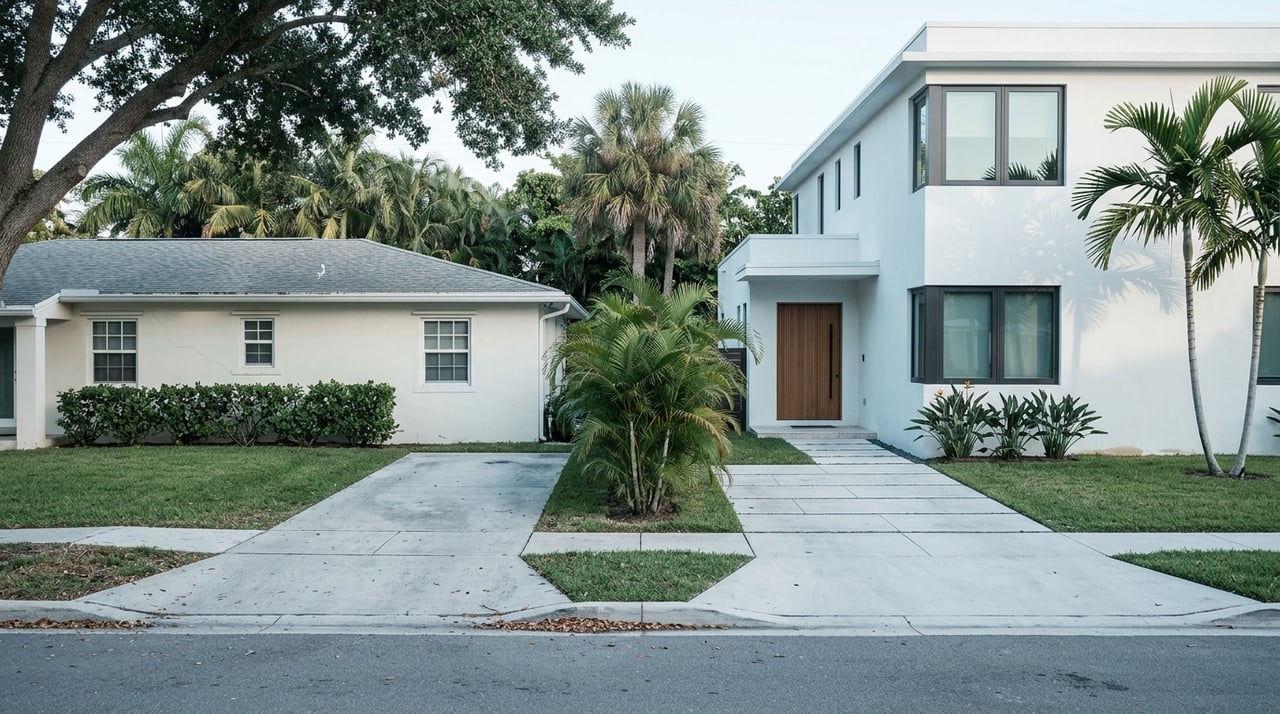
In South Miami, new construction is often not a large master-planned product. It is usually infill or teardown-and-rebuild development placed into an older neighborhood pattern. That gives you the appeal of modern design, but it also means the home has to fit into a tighter local framework.
The city requires Design Review Board approval for all new construction. Application packages call for surveys, site plans, floor plans, elevations, grading plans, landscaping, material samples, and renderings, and a building permit is still required before work begins. For you as a buyer, that means a new home is shaped by a formal review process before it ever reaches completion.
New construction pros
A new home in South Miami can offer a shorter path to current building standards. The city says all new and substantially improved buildings must place the lowest floor at or above base flood elevation, and all new buildings must be built with hurricane shutters. If storm-readiness is high on your list, that can be a major advantage.
New construction may also reduce your near-term repair exposure. When major systems, finishes, and structural components are brand new, you are less likely to face immediate replacement decisions after move-in. For buyers who want a more predictable first few years of ownership, that can be appealing.
New construction tradeoffs
The biggest surprise for many buyers is that new does not always mean bigger or more flexible. South Miami’s single-family zoning in RS-1 through RS-5 includes minimum lot area, frontage, setback, and height rules, with a 25-foot maximum building height for single-family homes. On smaller infill lots, a home may feel sleek and modern but still sit on a compact footprint.
There is also a timing factor. Because the city’s review and permit process is explicit, new construction can involve more time in approvals before anyone moves in. Even when the end product is attractive, the path to completion may be longer than buyers expect.
What established homes offer
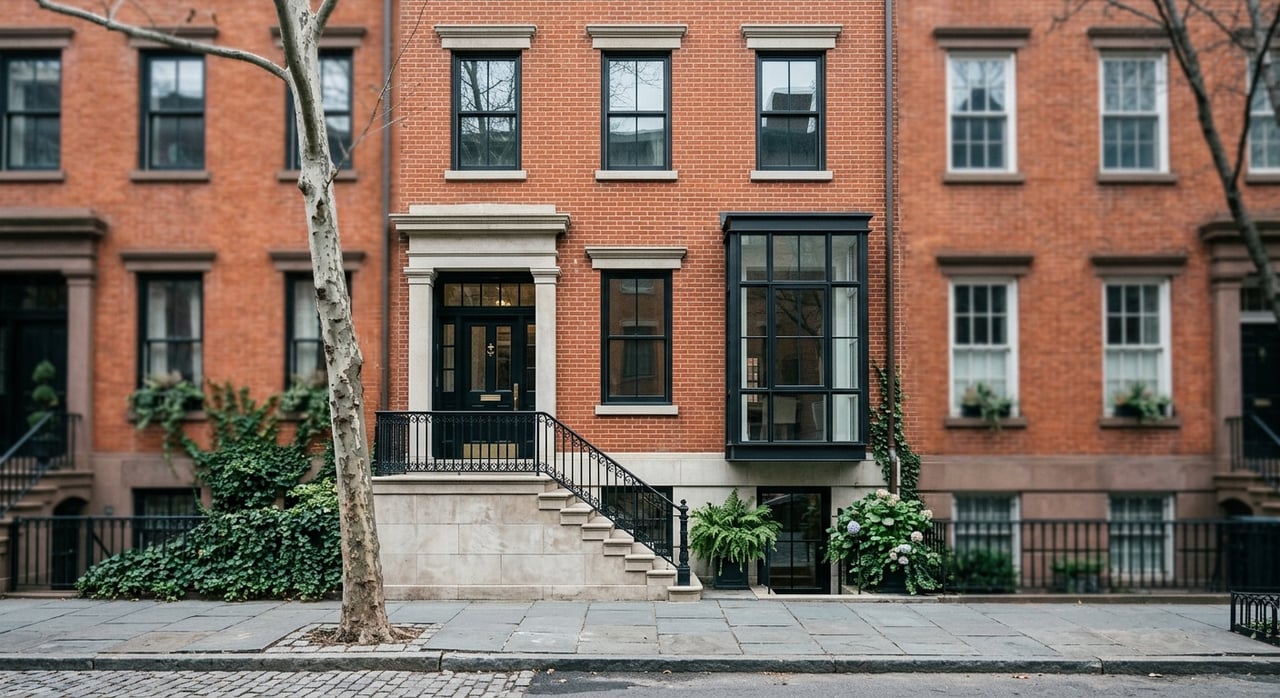
Established homes are where South Miami’s character and history show up most clearly. Because such a large share of the local housing stock is older, many homes sit within long-standing neighborhood patterns that buyers already know and like. In some cases, the zoning code also notes that existing properties may be grandfathered under prior conditions.
That can matter if you value an existing block feel or see upside in buying a home with renovation potential. Instead of paying for every upgrade on day one, you may be able to improve the property over time. For some buyers, that flexibility is part of the appeal.
Established home pros
An older home can offer a setting that feels more settled from the start. In South Miami, where much of the housing stock predates modern development cycles, established properties often reflect the city’s older neighborhood fabric. If location and context matter more to you than a fully updated finish package, this can be a strong reason to lean older.
Established homes may also create room for phased improvements. You might choose to update systems first, then tackle kitchens, baths, windows, or outdoor spaces later. That approach can work well if you want to personalize a home over time instead of buying the final version upfront.
Established home tradeoffs
The main tradeoff is condition. Older homes usually require a deeper inspection and more careful review of major systems. In practical terms for South Miami, buyers should look closely at the roof, windows and doors, plumbing, electrical system, insulation, and cooling equipment.
Older properties may also not align neatly with today’s code envelope. Since some homes were built under prior rules, the as-built condition may differ from what would be allowed in a new project today. That is not automatically a problem, but it does mean you should understand what you are buying and what future changes may involve.
South Miami rules shape both options
One of the most important things to know is that South Miami’s new-vs-established decision is heavily shaped by local land use rules. The city uses special dimensional standards for two-story single-family structures and additions to help preserve neighborhood character. So even if you are drawn to a new build, the design conversation here is not only about luxury finishes or open layouts.
It is also about fit, form, massing, and lot constraints. In other words, a home may be impressive and modern while still being tightly calibrated to the lot and surrounding streetscape. That reality makes South Miami feel different from markets where new construction can spread across larger parcels with fewer infill limitations.
Lifestyle matters as much as the house
Your decision should not stop at the front door. South Miami offers a town center east of US 1 with shopping, dining, entertainment, and two major hospitals. The downtown core is also near the South Miami Metrorail station and includes shops, eateries, entertainment options, sidewalk cafes, boutiques, and three accessible parking garages.
The city also has 17 parks and facilities across 48 acres, including an outdoor pool, splash pad, walking paths, playgrounds, fitness areas, courts, fields, and pavilions. For many buyers, access to these amenities can be just as important as the age of the home. A smaller new build or an older renovation project may feel like a better fit if the surrounding location supports your daily routine.
South Miami also offers MetroConnect SoMi, an on-demand rideshare service that connects residents to key transit hubs and destinations around the city. That can help if you are considering a home a bit farther from downtown or weighing a property with less private outdoor space. Convenience in this market often comes from the full location package, not just the home itself.
How to decide which fits you best
If you want the clearest path to current flood and hurricane standards, fewer near-term repair concerns, and a home shaped through a formal city review process, new construction may be the better fit. This option often works well for buyers who value move-in-ready living and want less guesswork around major systems. In South Miami, that peace of mind can carry real weight.
If you care more about an existing neighborhood setting, renovation flexibility, or the character of South Miami’s older housing stock, an established home may be the stronger choice. This path tends to suit buyers who are comfortable with inspections, future improvements, and a more hands-on ownership experience. It can also appeal to those who see long-term potential in buying location first and updating over time.
The biggest point is simple: in South Miami, the real question is often not just whether a home is new or old. It is whether you want code certainty and modern construction, or location, character, and renovation upside. Once you frame the choice that way, your next step becomes much clearer.
If you are comparing homes in South Miami and want a practical, property-by-property read on the tradeoffs, the team at Novit Soldit Group can help you evaluate what fits your goals best.
FAQs
Should you buy new construction in South Miami for storm and flood readiness?
- New construction can appeal to buyers who want a home built around current flood and hurricane requirements, since South Miami says new and substantially improved buildings must have the lowest floor at or above base flood elevation and new buildings must include hurricane shutters.
Are established homes common in South Miami?
- Yes. South Miami’s comprehensive plan reported that about 60% of housing units were more than 50 years old, so established homes make up a large part of the local market.
Does South Miami new construction usually mean larger homes and lots?
- Not necessarily. South Miami’s zoning rules include lot size, frontage, setback, and height limits, so many newer homes are modern infill or rebuild projects on relatively compact lots.
What should you inspect in an older South Miami home?
- You should pay close attention to the roof, windows and doors, plumbing, electrical system, insulation, and cooling equipment, since older homes often require deeper condition review.
Is South Miami more about home style or location convenience?
- For many buyers, both matter, but location convenience is a major part of the decision because South Miami offers a downtown core near Metrorail, 17 parks and facilities, and local transportation through MetroConnect SoMi.