Curious why so many Chicago buyers talk about “two-flats,” especially in Wicker Park? If you want a home that can help pay the mortgage, this classic Chicago building type might be the right fit. You get space, flexibility, and potential rental income in one address. In this guide, you’ll learn what a two-flat is, why Wicker Park is a prime spot, how financing works, and what to inspect before you buy. Let’s dive in.
What is a Chicago two-flat?
A Chicago two-flat is a single building with two full residential units, usually one on each floor. A three-flat stacks three full units. These buildings differ from condominiums because they are sold as one property, not as separate titled units. They also differ from larger apartment buildings, which shift into commercial financing once you go above four units.
Under most mortgage programs, 1–4 unit properties are treated as residential. That means you can often buy a two- or three-flat as your primary residence and access mainstream owner-occupant loan options. This is one reason two-flats are popular with first-time buyers and small investors.
Why Wicker Park stands out
Wicker Park sits on Chicago’s Northwest Side near Bucktown and Logan Square, close to downtown and River North. It offers strong access to the CTA Blue Line, multiple bus routes, walkable retail on Division, Milwaukee, and Damen, and steady demand from renters and owners who value transit and amenities. These factors support rental resilience and long-term appeal.
Inventory of two- and three-flats here is limited, and the location premium often shows up in pricing. Buyers sometimes accept lower initial yields in exchange for strong occupancy and appreciation potential. Competition can be intense, especially when owner-occupants and small investors chase the same listings. If you plan to buy and rent a unit, you should also be aware of Chicago’s tenant protections and rental licensing rules.
Layouts and building basics
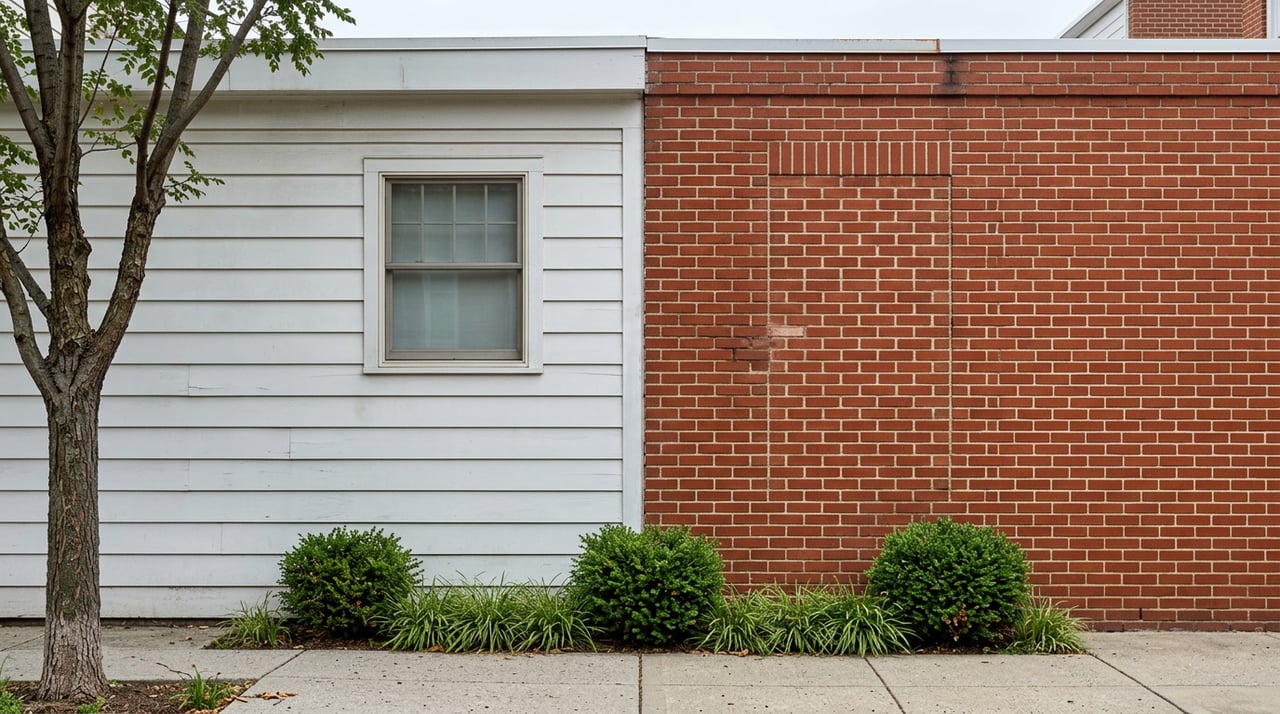
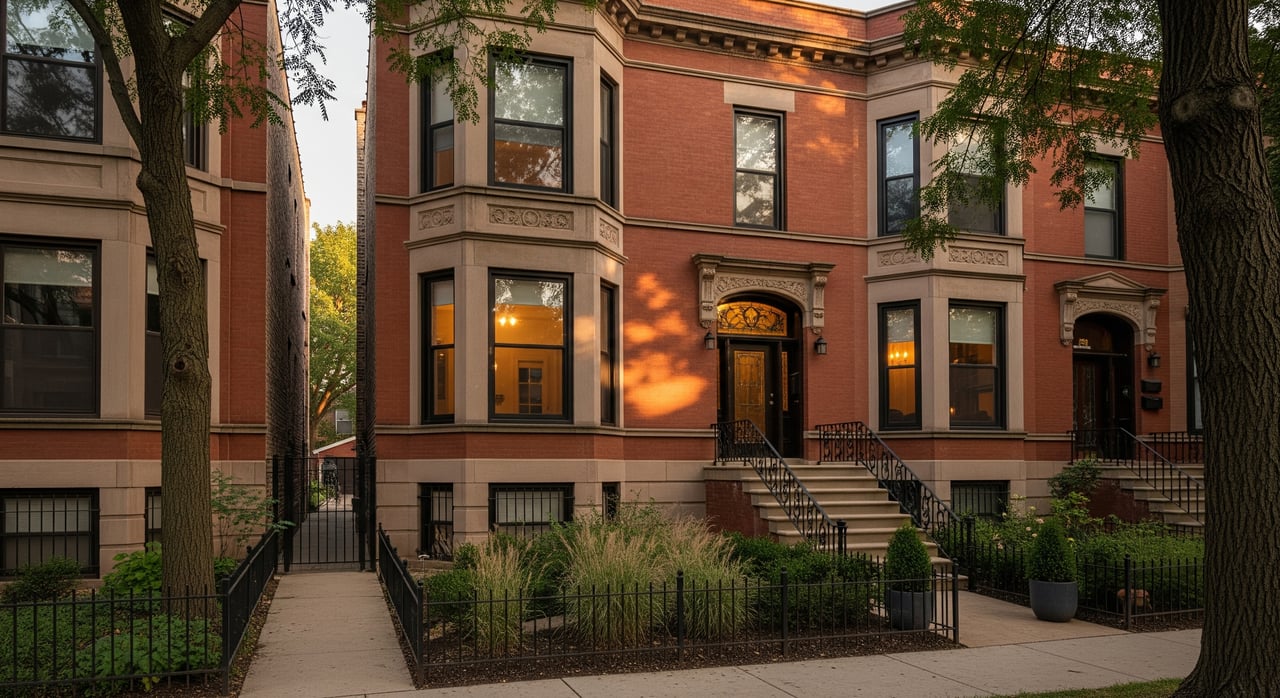
Wicker Park’s two- and three-flats were largely built between the 1890s and 1930s. You’ll see brick walk-ups, masonry row buildings, and, in some areas of the North Side, greystone styles. Typical construction includes load-bearing brick exterior walls with wood framing inside, original hardwood floors, and flat or low-slope roofs with bitumen or rubber membranes.
Interiors often feature tall ceilings, bay windows, separate entries, and shared back porches. Most buildings stack one unit per floor. Some have garden apartments or duplex configurations. Utilities may be separately metered, which simplifies landlord billing, or combined under the owner, which you would then factor into rent and budgeting.
What to inspect before you buy
Older buildings can be great investments, but they demand careful due diligence. Build extra time for inspections and contractor walk-throughs.
Structure and exterior
- Foundation and settlement lines
- Brick condition and tuckpointing needs
- Porch and stoop integrity
- Roof age, membrane condition, flashing, and gutters
Systems and utilities
- Electrical panel capacity and wiring type
- Plumbing materials, including potential lead service lines
- Boiler or HVAC age, service records, and performance
- Hot water heaters and venting
Health and code compliance
- Lead-based paint in pre-1978 buildings
- Possible asbestos in older mechanicals
- Clear, legal egress for each unit
- Chicago rental licensing and inspection requirements
A full inspection should include a roof review, masonry assessment, plumbing and drain scope, and a check for separate metering. Plan for capital items like roofs, windows, boilers, and masonry over time. A realistic reserve budget protects you from surprises.
Financing a two- or three-flat you live in
Because two- and three-flats fall under 1–4 unit residential rules, several common mortgage options may be available if you occupy one unit.
FHA
- Owner-occupant financing for 1–4 unit properties
- Minimum down payment often starts at 3.5% for qualified borrowers
- You must occupy one unit as your primary residence, typically within 60 days
- FHA 203(k) can roll renovation costs into one loan, subject to program rules
Conventional (Fannie Mae and Freddie Mac)
- Available for 1–4 unit owner-occupied properties
- Down payment and reserve requirements often rise as unit count increases
- Lenders may allow a portion of documented rental income to help you qualify
- Private mortgage insurance applies with less than 20% down
VA loans
- Eligible veterans can buy 1–4 units while occupying one unit
- No down payment requirement for many borrowers, subject to program rules
Portfolio and local banks
- Flexible for unique properties or renovations
- Useful when conventional or FHA guidelines do not fit
Underwriting and appraisals
- Occupancy unlocks owner-occupant terms
- Many lenders count a percentage of projected rent in qualification
- Appraisals may include rent schedules and income analysis
- Expect higher cash-reserve requirements on 3–4 unit properties
Local cost items to plan for
- Cook County property taxes and potential reassessment after a sale or renovation
- Insurance tailored to older multifamily buildings
- City rental licensing and possible inspections before occupancy
If you plan to renovate, compare options like FHA 203(k) or a conventional renovation product. Each has different scopes, timelines, and documentation requirements.
House-hacking in Wicker Park
House-hacking means you live in one unit and rent the other unit or units to offset your mortgage and expenses. In Wicker Park, strong transit access and neighborhood amenities often support steady demand. That said, rents and vacancy shift with the season and the broader economy, so you should use conservative estimates when you underwrite your numbers.
Lenders often count only a portion of market rent, and they will require documentation such as current leases or rent comps. Build your budget around realistic rents and a vacancy allowance.
Operations and time commitment
- Self-management can reduce costs but requires tenant screening, maintenance coordination, and compliance
- Full-service property management commonly runs about 8–12% of collected rent
- Older buildings need ongoing capital planning for roofs, masonry, and major systems
A quick affordability checklist
- Down payment and closing costs
- Monthly mortgage, taxes, and insurance
- Utilities you will cover as landlord, if any
- Maintenance and reserves, often 1–3% of property value annually
- Vacancy and turnover allowance
- Property management fees, if you do not self-manage
- Capital project budget for roof, tuckpointing, windows, and HVAC
- City licensing and inspection costs
For taxes and accounting, you can typically deduct eligible rental expenses and depreciate the rented portion of the property. Because you will be both an owner-occupant and a landlord, speak with a CPA about proper allocations and documentation.
Landlord rules to know in Chicago
Chicago’s Residential Landlord and Tenant Ordinance outlines important tenant protections and landlord responsibilities. You should review lease rules, disclosures, security deposit handling, and eviction procedures before you list a unit.
The city also requires rental licensing and may conduct inspections. Noncompliance can delay your ability to rent and may affect financing timelines. Short-term rentals face restrictions, and operating multiple short-term units in a small multifamily often requires special approvals. For pre-1978 housing, provide lead-based paint disclosures as required.
Condo conversion or long-term hold?
Some buyers consider condo conversion for exit strategy. In Wicker Park, conversion can be viable but requires legal steps and substantial renovation. You should weigh construction costs, market demand, timeline, and carrying costs. Many owners choose a long-term hold, targeting stable rents and appreciation supported by neighborhood amenities and transit.
Your next steps
- Get pre-approved with a lender experienced in 2–4 unit financing. Compare FHA, conventional, VA, and portfolio options.
- Study comparable rents and recent two- and three-flat sales in Wicker Park to set your expectations on price and income.
- Schedule thorough inspections, including specialized checks for boilers, roofs, masonry, and plumbing.
- Confirm city rental licensing requirements and plan for any repairs or compliance items before closing.
- Clarify your strategy. Will you hold long term, renovate, or pursue condo conversion later?
Ready to explore Wicker Park two- and three-flats with a partner who knows the buildings, the numbers, and the neighborhood rhythms? Reach out to the team at the Novit Soldit Group for a focused plan, vetted lender introductions, and curated listings to match your goals.
FAQs
What is a Chicago two-flat and how is it different from condos?
- A two-flat is one building with two full units sold as a single property, while condos are individually titled units you buy separately.
Can I use FHA to buy a Wicker Park two-flat if I live in one unit?
- Yes. FHA insures mortgages on 1–4 unit homes for owner-occupants, with typical occupancy, credit, and down payment rules.
Will lenders count rent from the other unit when I qualify?
- Often they will count a portion of documented market rent, subject to program rules, leases, and appraisal rent schedules.
What should I inspect in an older Wicker Park two-flat?
- Focus on masonry and tuckpointing, roof and flashing, electrical and plumbing, boiler or HVAC, porches, egress, and code compliance.
Are two-flats good investments in Wicker Park?
- They can be, given transit and amenity demand, but returns depend on your purchase price, renovations, operating costs, and vacancy.
Do I need a property manager if I live on site?
- Not necessarily. Many owner-occupants self-manage to save money, though full-service management can reduce your time commitment.