Are you tired of hearing about great Wicker Park two-flats after they’re already under contract? You are not alone. Off-market and coming-soon opportunities move quietly and fast, and the best buyers are prepared before the email lands. In this guide, you’ll learn how off-market deals are sourced, what you need to qualify, timelines to expect, and how to perform smart due diligence on Chicago two-flats. Let’s dive in.
Why off-market two-flats matter
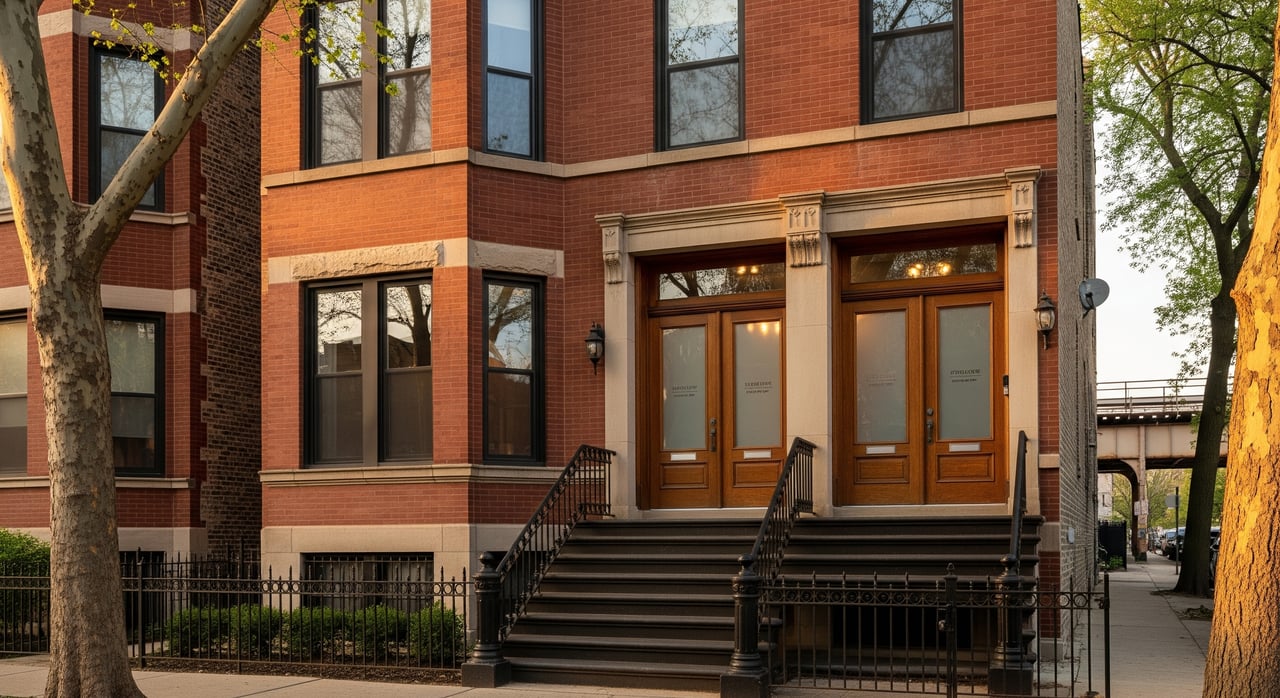
Wicker Park’s housing stock includes vintage two-flats, brick walkups, and small multifamily buildings that have served both owner-occupants and investors for generations. Investor and owner demand is consistently strong, and inventory can be tight. That mix encourages private, relationship-driven deal flow where serious buyers get first look. If you want a true shot at these buildings, you need access and you need to be ready to act.
How deals are found
Savvy buyers and brokers source off-market two-flats through several channels:
- Direct owner outreach to absentee or long-time owners, estate situations, or properties showing deferred maintenance.
- Walking or driving for dollars to spot vacancies, “for rent” signs, and buildings ready for a value-add plan.
- Personalized direct mail and targeted outreach that lead to quiet conversations with sellers.
- Broker and agent networks that circulate pocket and coming-soon listings to a vetted list within compliance rules.
- Wholesalers and assignment contracts that require careful review and clear terms.
- Attorney, property manager, and small-landlord referrals where motivation to sell often surfaces first.
- Municipal and public records research, including permits, violations, and pre-foreclosure activity. You can verify many items directly through the City of Chicago Department of Buildings and its building permit and violation data.
What you need to join a private list
To receive real opportunities, you’ll be asked for a few basics. This keeps the list clean and ensures sellers see credible interest.
- Define your investor criteria in writing:
- Budget and target price per unit or per square foot
- Financing type and cash available for close and rehab
- Minimum cash flow or cap rate, preferred bed-bath mix
- Condition tolerance, from turnkey to full rehab
- Target blocks within Wicker Park and whether you plan to owner-occupy
- Provide simple proof of capital:
- Cash buyers: recent bank or brokerage statements or an institutional proof-of-funds letter
- Finance buyers: current pre-approval that states product and loan amount
- Buying via LLC: entity documents and proof of capital
- Expect basic paperwork when details are sensitive:
- A short confidentiality agreement or NDA
- A buyer representation agreement in some cases
When you package these items clearly, you get priority on time-sensitive deals.
How vetting and alerts typically work
Private lists are designed for speed and clarity.
- You submit your criteria and proof of funds or pre-approval.
- You receive concise emails for live and coming-soon opportunities, with more detail provided after you confirm interest and sign any required confidentiality form.
- Documents are shared securely. Rent rolls may be redacted until you are verified.
- Response windows are short. Some deals use first-come rules or set bid deadlines.
- Transparency matters. Good operators disclose whether a deal is a coming soon, pocket listing, or contract assignment.
Timelines you should expect
Off-market sellers often favor buyers who can commit quickly. Be ready for these typical ranges:
- Inspection period: 7 to 10 days, negotiable
- Financing contingency: 14 to 45 days, depending on lender and loan type
- Closing timeline: cash can close in 7 to 15 days, financed closings usually 30 to 45 days
Clear communication about your timeline and financing is one of the fastest ways to win these deals.
Due diligence checklist for Chicago two-flats
Move fast, but verify. Start with these items as soon as you receive an address:
- Title and liens: order a title search for taxes, municipal liens, and judgments.
- Legal use and occupancy: confirm legal unit count with the City of Chicago Department of Buildings. Watch for illegal conversions.
- Permits and violations: review permit and code records for open issues that could delay closing.
- Rent roll and leases: verify current leases, deposits, start and end dates, and collect estoppels where appropriate.
- Operating history: request utility history, maintenance records, tax bills, and any profit and loss statements.
- Physical inspection: focus on structure and masonry, roof, mechanicals, electrical capacity, plumbing, and porches. Water infiltration is a common vintage-building concern.
- Property records and taxes: confirm characteristics with the Cook County Assessor and check deed history with the Cook County Recorder of Deeds. Review tax status with the Cook County Treasurer.
- Zoning and restrictions: verify zoning and any landmark or historic constraints before planning renovations.
Financing options for 2 to 4 units
Your loan path depends on whether you plan to occupy a unit.
- Owner-occupied loans: FHA and conventional programs can work for up to 4 units if you live in one. Review eligibility and standards in the FHA 1 to 4 unit loan guidance.
- Investor loans: portfolio and commercial lenders require stronger down payments, reserves, and documentation of rental income.
- Cash or bridge financing: useful for speed and for buildings that need rehab, with a plan to refinance later.
Expect more detailed appraisals on multi-unit properties, and build in time for lender conditions.
Compliance you should know
When a listing is marketed to the public, the NAR’s Clear Cooperation policy requires timely MLS entry. Learn the framework in the NAR Clear Cooperation policy and check local practices under MRED rules on coming soon listings. Private sharing within a restricted network is common, but it must follow MLS and brokerage policies. If communications include email or text outreach, make sure they align with CAN-SPAM and TCPA consent requirements.
Ready to see opportunities
If you have your criteria and proof of funds ready, you are already ahead of most buyers. Share them once, stay responsive, and you’ll start seeing real two-flat opportunities before they hit the wider market. When you are ready, connect with the Novit Soldit Group to get vetted and receive Wicker Park off-market and coming-soon alerts.
FAQs
What is an off-market two-flat in Wicker Park?
- It is a 2-unit building not actively listed on the public MLS, often shared privately to vetted buyers through broker networks, direct owner outreach, or assignments.
How do I prove I am a serious buyer for off-market deals?
- Provide a current proof-of-funds or lender pre-approval, a short summary of your criteria, and be willing to sign a simple confidentiality or buyer agreement if requested.
Can I use FHA to buy a Wicker Park two-flat I will live in?
- Yes, FHA can finance up to 4 units for owner-occupants if you meet program standards; review details in the FHA 1 to 4 unit loan guidance.
How fast can an off-market deal close in Chicago?
- Cash closings can be 7 to 15 days, while financed transactions typically take 30 to 45 days depending on lender and underwriting.
What risks should I watch for with off-market two-flats?
- Common issues include title or municipal liens, undisclosed code violations or illegal conversions, tenancy complications, and overpaying without broad market exposure.