What if your Wicker Park home could help pay your mortgage? If you are weighing a purchase in one of Chicago’s most sought-after neighborhoods, house hacking can turn your primary residence into a smart, income-producing asset. You will learn the common property types, key legal checks, financing paths, and simple rent stacks to evaluate opportunities with confidence. Let’s dive in.
House hacking in Wicker Park
Wicker Park offers a mix of vintage multi-flats and adaptable spaces that work well for live-in investors. Strong renter demand is driven by proximity to transit, retail, dining, and offices, though vacancy and rent levels can fluctuate. Your goal is to live in one unit and rent the others to offset your housing costs while building equity.
Two and three flats
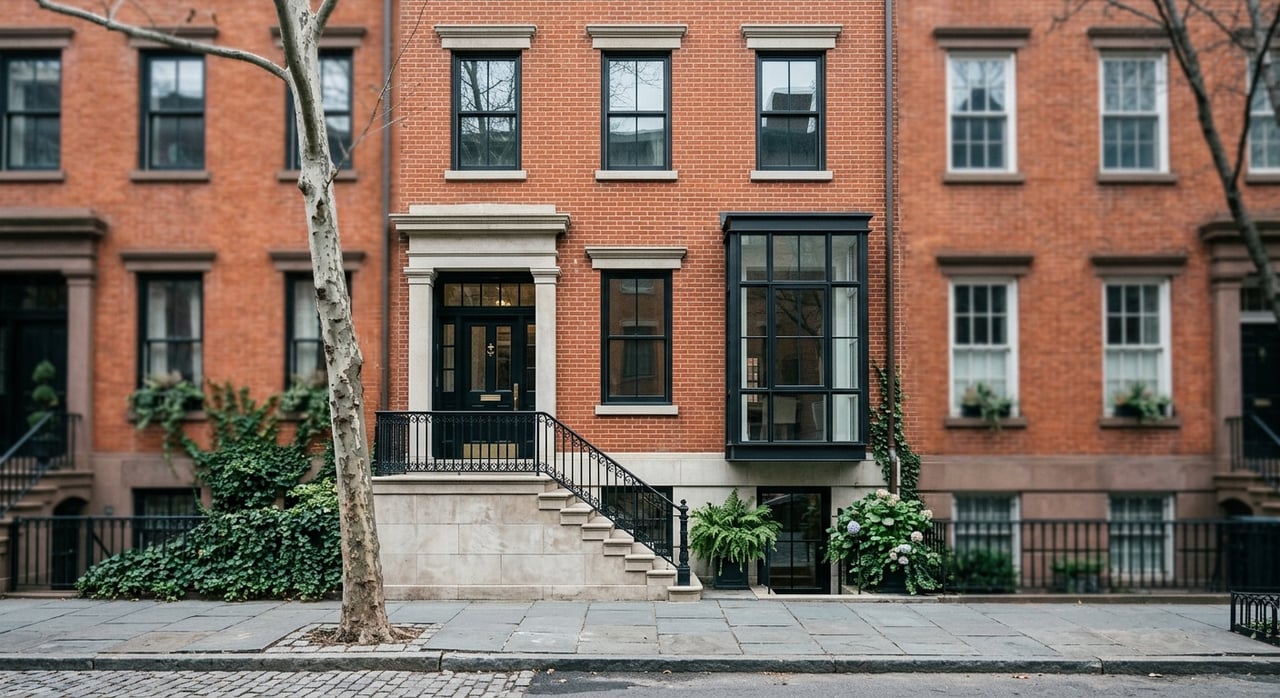
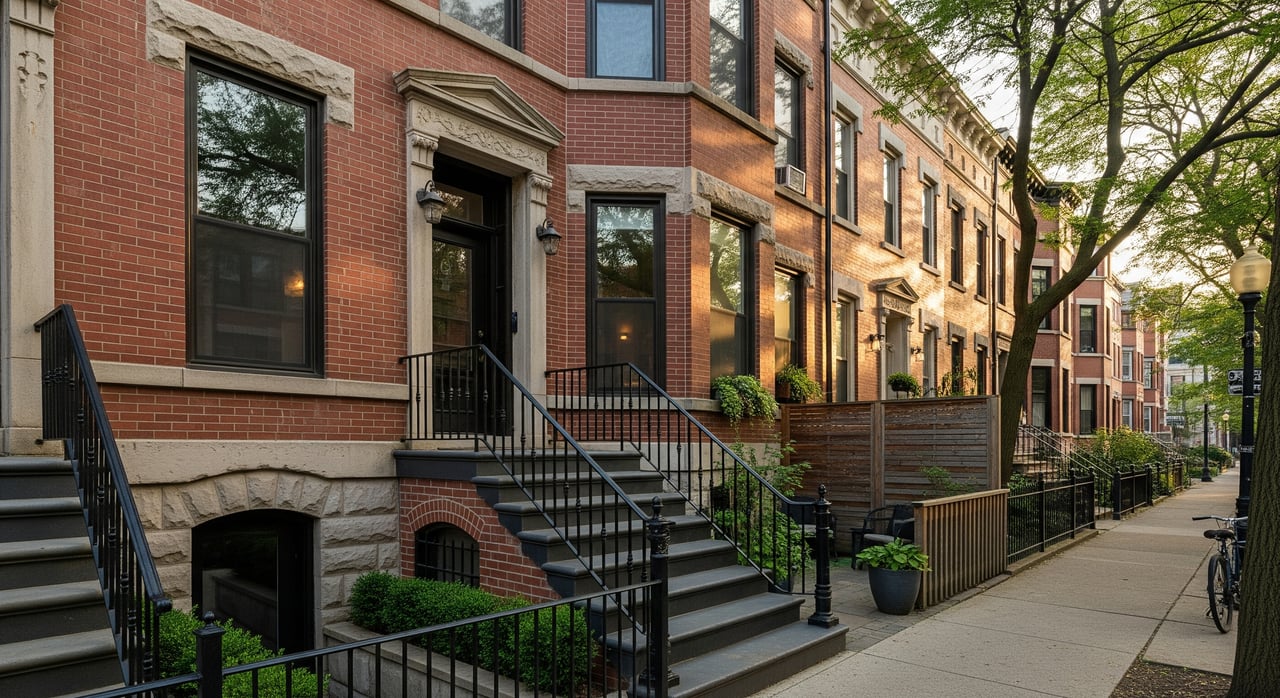
Many older Chicago buildings are legal two-flats and three-flats. You can live in one unit and rent the other one or two apartments. Advantages include established layouts and the possibility of separate utilities. Be ready to confirm legal unit count and plan for capital repairs like roof, boilers, and electrical systems common to older buildings.
Garden units
Garden or lower-level apartments often rent for a bit less, but can draw steady, long-term tenants. Focus on egress windows, ceiling height, moisture control, and whether the space is legally recognized as a dwelling unit. Some garden spaces are finished basements rather than legal apartments, so verification is critical.
ADUs in Chicago
Accessory dwelling units, including converted basements or garage apartments, can add income while you live in the main home. In Chicago, ADU permissibility depends on zoning and current building codes. You will need permits, inspections, compliant egress, and appropriate services to add or legalize an ADU.
Compare options
- Duplex, 2-unit: Simpler financing for owner-occupants with one rental income stream.
- Triplex, 3-unit: More rental income potential with higher repair and management complexity.
- Single-family plus ADU: Preserves a single-family look while adding income from a smaller unit.
Know the rules and permits
Before you write an offer, build a plan to confirm legal status and compliance. These checks help protect your cash flow and resale value.
Verify legal units
Confirm the legal number of dwelling units with City of Chicago Department of Buildings records and Cook County property records. Ask the seller for documentation like certificates of occupancy, past permits, and remodel records. A municipal records search during escrow can save you from costly surprises.
Zoning and ADU rules
Zoning designations in Chicago determine whether ADU additions are allowed and what parking or lot coverage rules apply. Check current Department of Planning and Development guidance before assuming an ADU or a unit conversion is permitted.
Landlord and tenant rules
Chicago has specific landlord-tenant requirements, including registration or licensing in some cases, habitability standards, and the Residential Landlord Tenant Ordinance that sets disclosures and protections. Review current city rules so your leases and processes comply.
Safety and code
For basements, garden units, and ADUs, look for compliant egress windows, smoke and carbon monoxide detectors, stair lighting, and minimum habitable ceiling heights. For homes built before 1978, federal lead-based paint disclosures apply.
Utilities and taxes
Clarify who pays utilities. Separate metering for gas and electric can improve net cash flow, but upgrades may need permits and utility coordination. Multi-unit classification can affect property tax assessments, so review Cook County Assessor records to understand the current and potential tax basis.
Financing your live-in investment
Owner-occupied financing for 2 to 4 units is common, but program rules and down payment requirements differ. Talk to a local lender experienced in multi-unit underwriting before you shop.
FHA loans
FHA financing can be used for 2 to 4 unit properties with low down payment options for owner-occupants, subject to county loan limits. FHA typically requires you to occupy the property as your primary residence. Some lenders can count rental income from the other units if you provide leases and required documentation.
Conventional loans
Conventional programs can finance 2 to 4 units, often with higher down payment and reserve requirements than a single-family home. Minimums vary by program and credit profile, and some specialty programs focus on 1-unit residences, so confirm specifics with your lender.
VA loans
Eligible veterans can often finance up to 4 units with VA loans while occupying one unit. Lender confirmation of entitlement and VA rules is required.
Jumbo financing
If your purchase price is above conforming loan limits, you may need jumbo financing. Expect different down payment and rate terms compared with conforming loans.
Counting rental income
Lenders may count rental income using current leases, tax returns, or market rent from an appraisal when leases are not available. Many lenders apply vacancy or maintenance reserves, so qualifying income is often discounted for prudence.
Assistance programs
The City of Chicago and local housing organizations sometimes offer buyer assistance. Availability and eligibility change, so consult city housing resources and certified counselors.
Sample rent stacks
The scenarios below are illustrative examples. Always use current local pricing, taxes, insurance, and rent comps, and include vacancy and repair reserves.
Scenario A, two-flat
- Estimated price: $700,000
- Down payment: 15 percent conventional, loan about $595,000
- Example rate: 6.5 percent for 30 years, principal and interest about $3,760 per month
- Taxes and insurance: about $700 per month, total PITI about $4,460
- Rent from the other unit: assume 1-bedroom at $2,200 per month
- Operating costs: about $330 per month for management and vacancy reserves
- Net offset: $2,200 minus $330 equals $1,870, so your net housing cost is about $2,590 per month
Scenario B, three-flat
- Estimated price: $1,050,000
- Down payment: 20 percent, loan about $840,000
- Example rate: 6.5 percent, principal and interest about $5,320 per month
- Taxes and insurance: about $1,000 per month, total PITI about $6,320
- Rents: two units at $2,200 and $2,400, total $4,600 per month
- Operating costs: about 12 percent, roughly $552
- Net offset: $4,600 minus $552 equals $4,048, so your net housing cost is about $2,272 per month
Scenario C, single-family with ADU
- Estimated price: $850,000
- ADU rent: example $1,500 per month once completed or legalized
- Consider permit and construction costs to create or legalize the ADU, and include those costs when modeling total return
Simple cashflow formulas
- Net monthly cashflow = Total monthly rent collected minus PITI minus operating expenses minus owner-paid utilities
- Gross Rent Multiplier = Purchase price divided by annual gross rent
- Cap rate = Annual net operating income divided by purchase price, where NOI equals annual gross rent minus operating expenses, and excludes debt service
Use conservative rent estimates and include vacancy of 5 to 8 percent and maintenance reserves of 5 to 10 percent or more. Older Chicago buildings often need periodic major work like roofs, boilers, and masonry.
Due diligence checklist
- Confirm legal units and certificate of occupancy with City of Chicago records, plus seller permits and disclosures.
- Obtain rent history including current leases, deposits, and proof of payment. For vacant units, request market rent support from recent comps.
- Hire an inspector experienced with multi-unit vintage buildings to assess structure, roof, plumbing, heating, electrical, and potential water intrusion in basements.
- Verify zoning and ADU permissibility with the Department of Planning and Development and Department of Buildings.
- Confirm current property taxes and potential classification impacts with the Cook County Assessor.
- Talk to lenders early for preapproval and to understand how rental income will be counted.
- Budget for insurance suited to multi-units and landlords.
- Estimate operating expenses conservatively, including management, repairs, vacancy, and capital reserves.
- Review Chicago landlord-tenant rules and process timelines so your leases and deposits comply.
- Check utility metering. Separate meters support cleaner tenant billing.
- Decide on self-management or hiring a professional manager at roughly 10 percent of rent.
Operating tips for new owners
Pricing and vacancy
Price your rental units based on current neighborhood comps and include a vacancy assumption in your budget. Right-sizing rent reduces turnover and helps stabilize cash flow.
Tenant screening
Use fair and consistent criteria and follow all local rules. Clear written standards and a documented process reduce risk and disputes.
Maintenance planning
Create a reserve plan for big-ticket items common in older Chicago properties. Proactive maintenance protects tenant safety and property value.
Self-manage or hire
Be realistic about time and skills. Many owners self-manage one or two units, while others prefer a professional manager at about 10 percent of collected rent.
How we help
As a north side boutique team with deep Wicker Park experience, we help you:
- Pinpoint the right two- or three-flats and single-family homes with ADU potential.
- Verify legal unit status and review permit histories with you.
- Model rent stacks and cashflow with conservative assumptions.
- Introduce you to lenders who understand owner-occupied 2 to 4 unit financing.
- Coordinate inspectors and specialists for vintage buildings.
- Advise on pricing, leasing strategy, and property management options.
Ready to explore live-in investments in Wicker Park? Let’s map a path that fits your goals. Connect with the Novit Soldit Group for a one-on-one consult.
FAQs
What is house hacking in Wicker Park?
- House hacking means you live in one unit of a multi-unit or single-family with an ADU and rent the other unit(s) to offset your mortgage and expenses.
Are garden units legal apartments in Chicago?
- Some are, some are not. You must verify egress, ceiling height, and legal unit status with City of Chicago records before relying on that rent.
Can rental income help me qualify for a loan?
- Many lenders count rental income from additional units using leases or market rent, often with vacancy or reserve adjustments. Ask a lender experienced in 2 to 4 unit loans.
What financing works for 2 to 4 units?
- FHA, conventional, and VA programs can finance owner-occupied multi-units. Down payment, reserves, and loan limits vary by program and property size.
How do ADUs work in Chicago zoning?
- ADU permissibility depends on zoning and current city rules. Permits, inspections, egress, and services are required for new or converted ADUs.
What expenses should I budget as a new landlord?
- Include vacancy, repairs, capital reserves for major systems, insurance, and management. A 5 to 10 percent maintenance reserve is a common starting point.