Thinking about buying in Old Town but not sure which home style fits you best? You are not alone. Old Town blends historic charm with modern convenience, and the choices can feel overwhelming on a first pass. In this guide, you will learn how each major housing type compares on space, cost, amenities, and day‑to‑day living so you can match the right property to your priorities. Let’s dive in.
Why Old Town appeals today
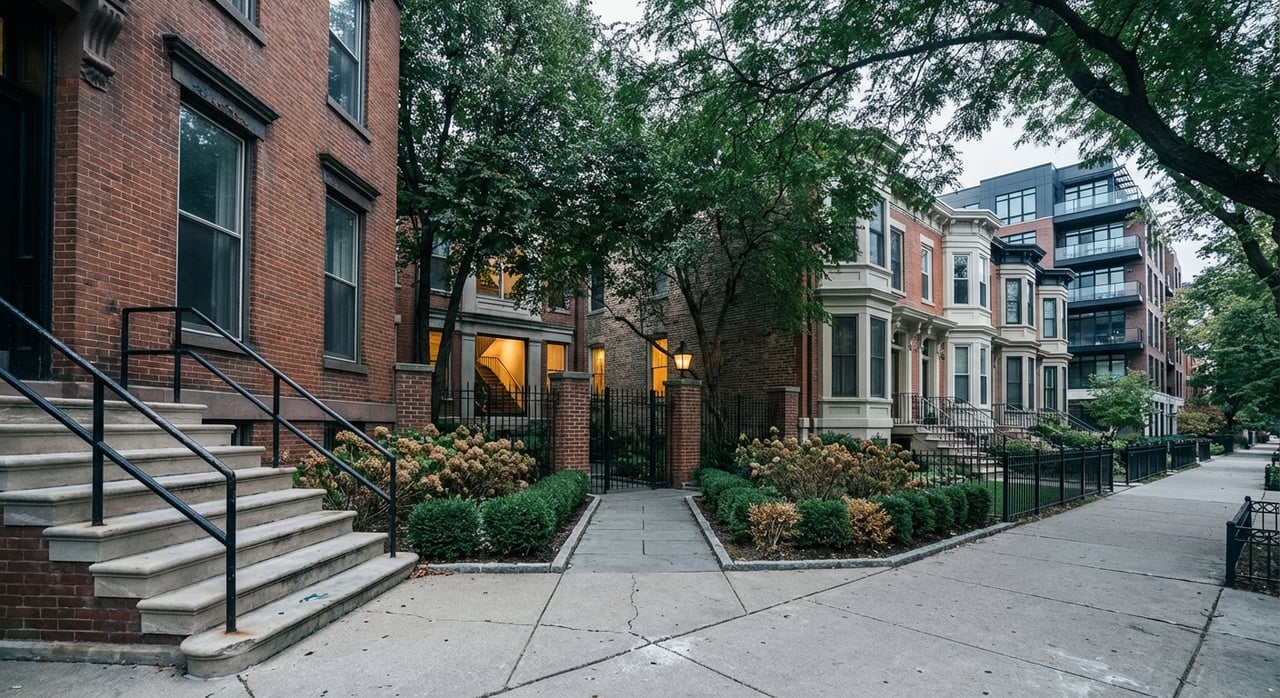
Old Town’s core sits within the Old Town Triangle Landmark District, a protected area recognized by the City of Chicago since 1977. You see a mix of Victorian rowhouses, classic courtyard buildings, and newer boutique condos side by side. The result is a neighborhood that feels historic yet very livable. You can get the story of the district from the Old Town Triangle Association and the City’s landmark listings.
On pricing, recent neighborhood snapshots show provider‑to‑provider variation. As of early 2026, some sources report a median sale price near the low‑$500Ks and about two months on market. Average rents cluster around the $3,000 range depending on unit size and finish. Expect swings month to month given Old Town’s mixed inventory.
Location is a daily win. You are close to CTA trains at Sedgwick on the Brown and Purple lines, with the Red Line at Clark/Division a short walk away. For route maps and schedules, check the Sedgwick station page. Bus routes crisscross the area, and Lake Shore Drive access makes cross‑town drives straightforward.
Housing types in Old Town
Old Town’s homes fall into four main groups. Each offers a different balance of space, style, services, and monthly costs.
Vintage walk‑ups, two‑ and three‑flats
These low‑rise, pre‑war buildings often feature tall ceilings, hardwood floors, and period details. Many are 2 to 4 stories without elevators. Conversions vary, so you will see stacked flats and unique split‑level layouts. Kitchens and baths can be compact compared with new construction.
Typical sizes run from studios to 2 bedrooms. One‑bedrooms commonly land around 600 to 900 square feet, while 2‑beds often range from 800 to 1,300 square feet or more. Recent Old Town examples show 1‑bed, 1‑bath condos trading roughly in the $200K to $400K band, with condition and location driving the spread.
Who they fit: buyers who value character and walkability more than in‑unit space or on‑site parking. Be ready for stairs and the possibility of building‑wide systems updates over time.
Pros:
- Lower entry prices than full‑service towers
- Authentic vintage details and neighborhood charm
Cons:
- Often no elevator or in‑unit laundry
- Limited or no deeded parking and storage
- Older building systems may require ongoing upkeep
Courtyard apartment buildings
Courtyard buildings form a U or L around landscaped space, which brings light and a quieter outlook than street‑front units. Most are 2 to 4 stories. These buildings are classic Chicago from the 1910–1930 era and remain popular for their feel and value.
Layouts skew to 1 and 2 bedrooms, often in the 700 to 1,300 square foot range. Some communities offer shared laundry, bike storage, or a common roof deck. Rents for smaller courtyard units in Old Town often land from the mid‑$1,500s up to $3,000, driven by size and finishes.
Who they fit: buyers who want vintage charm with a calmer courtyard orientation and a modest HOA. These are good options if you want a bit of greenery without paying for a large amenity package. For architectural context on this style, see this Chicago‑focused overview of early 20th‑century residential forms at Menard Johnson.
Pros:
- Brighter, quieter exposures facing the courtyard
- Classic layouts with character
Cons:
- Limited parking options
- Building age can mean envelope or mechanical maintenance over time
Townhomes and rowhouses
Townhomes and historic rowhouses give you a private entry and a more house‑like feel. Many include small patios, roof decks, and alley garages. You will find both fee‑simple homes and townhome communities with shared exterior maintenance.
Expect multi‑level floor plans with 2 to 4 bedrooms and at least two baths. Square footage commonly ranges from about 1,800 to 3,000 square feet or more. Larger townhomes and single‑family conversions in Old Town often trade well into seven figures, with premiums for parking, outdoor space, and renovated interiors.
Who they fit: move‑up buyers who want more room, private outdoor space, and garage parking without managing a full single‑family lot.
Pros:
- Private entries and more separation of space
- Garage parking is common
Cons:
- Higher taxes and insurance than a small condo
- Narrower footprints and stairs on multiple levels
- If part of an HOA, verify what exterior items the association covers
Newer and luxury condos
Newer mid and high‑rise condos in Old Town deliver services and convenience. Think door staff, gyms, roof decks, package rooms, and heated garage parking. Units feature open plans, large windows, and modern kitchens and baths. A representative local example is 1550 On The Park, a boutique building completed around 2020 with large 2 to 3 bedroom homes and full amenities.
Sizes vary widely. One‑bedrooms often sit between 700 and 1,200 square feet. In boutique luxury buildings, larger residences can run 2,200 to more than 4,500 square feet. Listing examples in recent years show 3,300‑plus square foot homes trading roughly in the $1.7M to $2.5M range at the top end. Monthly assessments scale with amenities, and very large units can see dues above $2,000 per month.
Who they fit: buyers who want an easy, lock‑and‑leave lifestyle with on‑site services, and who are comfortable with higher monthly HOA costs.
Pros:
- Strong amenity sets and on‑site maintenance
- Deeded indoor parking often available
Cons:
- Higher assessments than small vintage buildings
- Confirm building reserves, capital projects, and parking deed details
Landmark rules and renovations
If you are considering exterior changes in the Old Town Triangle Landmark District, expect a design review process. Many exterior updates, including window or facade changes, require permits and approval. Start with the Old Town Triangle Association and the City’s landmark listings to understand what is allowed and how to plan. This extra step protects the character that makes Old Town special, but it also affects timelines and budgets for renovations.
Commute, walkability, and parking
Old Town is highly walkable and well served by transit. The Sedgwick Brown/Purple Line station sits within the neighborhood, and the Red Line at Clark/Division is nearby. Multiple bus routes serve Wells, Clark, and North Avenue. Driving is straightforward with Lake Shore Drive access, but street parking can be tight at peak times.
Parking and storage vary by building type. Many vintage walk‑ups and courtyard buildings offer no deeded parking. Townhomes often include alley garages. Newer luxury condos typically offer deeded or assigned indoor spaces for an added cost. If parking is a must, treat it as a core search filter.
Schools and attendance boundaries
Several public and private school options are used by Old Town residents. Boundaries and program availability can shift from block to block, so verify any address against the latest Chicago Public Schools information. The local alderman’s site provides helpful community context and links; start with Ward 43’s community page.
What fits your stage of life
- Starter buyer: A vintage walk‑up or courtyard 1‑bed can trade space or parking for a lower entry price in a prime location.
- Growing household: Townhomes and larger low‑rise condos offer multiple bedrooms and, often, garage access. These are limited and command a premium.
- Convenience seeker or downsizer: A newer boutique condo with amenities and indoor parking simplifies daily life and travel.
- Investor: Smaller 1 to 2 bedroom units near transit often see steady rental demand. Confirm rental caps and building investor policies before you buy.
Key decisions to make early
- Budget and monthly comfort: Price per square foot can jump with amenity packages. Weigh assessments alongside mortgage, taxes, and insurance.
- Stairs vs. elevator: Many vintage buildings are walk‑ups. If accessibility matters, target elevator buildings.
- Parking needs: Decide if you require deeded garage parking, on‑site rental, or if street permit parking will work.
- Renovation appetite: Older homes can need tuckpointing, roof work, plumbing stack updates, or electrical upgrades. Newer condos shift that burden to a building’s capital plan and reserves.
Smart due diligence on condos and HOAs
Ask for the current budget, reserve study, insurance summary, and recent board minutes for any association‑governed property. Low dues are not always a win. Low dues with thin reserves can signal future special assessments. Lenders may restrict financing if there is active litigation or a very high renter ratio, so surface these issues early. For a practical overview of HOA and condo reserves and documentation, review this summary from CondoConnection.
Inspections that matter in Old Town
For vintage buildings, have your inspector focus on structure, roof condition, masonry and tuckpointing, plumbing stacks, and electrical service size. In mid and high‑rise buildings, ask about facade inspection cycles, elevator maintenance, and recent capital projects. A building‑experienced inspector and a review of the association’s capital plan can help you avoid surprises later.
A note on preservation and development
Landmark guidelines are an active topic in Old Town. Local reporting has covered debates around specific sites and zoning actions. If you are planning a renovation or ground‑up project, follow neighborhood updates and policy discussions. You can see one example of recent news coverage at Block Club Chicago.
How to pick the right fit
- List your must‑haves. Elevator, indoor parking, outdoor space, or a specific bedroom count can narrow your options fast.
- Decide if you prefer services or savings. Luxury buildings make life easy but raise monthly costs. Vintage buildings trim dues but require more personal upkeep.
- Map your daily routes. Walk to train or bus, bike paths, grocery, and fitness. Try the commute at the actual time you will travel.
- Stress‑test the budget. Include HOA dues, likely tax changes, and potential maintenance.
- Time the market to your needs. Inventory and prices can swing in this near‑North submarket. Focus on value relative to your lifestyle rather than timing the perfect month.
Ready to talk options or tour homes that fit your list? Reach out to the Novit Soldit Group for neighborhood‑smart guidance, on‑ and off‑market access, and a plan tailored to you.
FAQs
What are the main housing options in Old Town, Chicago?
- Vintage walk‑ups and courtyard condos, multi‑level townhomes and rowhouses, and newer boutique or luxury mid/high‑rise condos.
How much do Old Town condos typically cost right now?
- Recent snapshots show some sources near the low‑$500Ks for median sale price, with wide variation by building type, size, and condition.
Do most Old Town buildings include parking?
- Many vintage buildings do not include deeded parking, townhomes often have alley garages, and newer luxury condos usually offer indoor spaces for an added cost.
How walkable is Old Town and what are the transit options?
- Old Town is very walkable with CTA trains at Sedgwick on the Brown/Purple lines and multiple bus routes, plus easy access to Lake Shore Drive for drivers.
What should I review before buying a condo in Old Town?
- Request the HOA budget, reserve study, insurance summary, recent board minutes, and any details on litigation or planned special assessments.
Are there special rules for remodeling in the Old Town Triangle Landmark District?
- Yes, many exterior changes require permits and design review; check the Old Town Triangle Association and City landmark resources before planning work.