If you picture a Chicago neighborhood where lakefront trails meet tree-lined streets and lively main corridors, you’re thinking of Lincoln Park. You want city energy with room to breathe, plus an easy trip downtown and plenty to do close to home. In this guide, you’ll learn how daily life flows here, what homes you’ll find, and how to plan a smart purchase or sale. Let’s dive in.
Lincoln Park at a glance
Lincoln Park sits on Chicago’s North Side along Lake Michigan. It stretches from the lake west through residential blocks and busy corridors like Clark, Halsted, Armitage, Fullerton, and North Avenue. Exact boundaries vary by source, but the area is adjacent to Old Town to the south and Lakeview to the north.
The neighborhood blends urban convenience with a residential feel. You’ll see higher household incomes, many young professionals and families, and a notable student presence tied to DePaul University’s Lincoln Park campus. Quality-of-life anchors include the park itself, cultural institutions, and quick access to downtown.
Outdoor life and parks
Lincoln Park, the city park, is a defining feature. You get miles of green space, walking and running paths, sports fields, and playgrounds along the lake. Popular spots include Lincoln Park Zoo with free admission, the Lincoln Park Conservatory, the Alfred Caldwell Lily Pool, North Pond, and nearby North Avenue Beach.
If you have a dog or love to bike, you’ll find dog-friendly areas, community gardens, and many cyclists on the lakefront paths and neighborhood lanes. Divvy bike-share stations and bike lanes make biking a real option for errands and commuting.
Transit and commuting
You have multiple public transit options, including several CTA rail stations and frequent buses. The Fullerton Avenue area is a major transit hub near DePaul and park amenities. Depending on your exact address and mode, your commute to the Loop is typically short to moderate.
Parking varies by block. Some streets use residential permit zones, and private parking or driveways are situational. If a car is important, confirm parking options during your home search.
Dining, shopping, and nightlife
Commercial corridors like Clark Street, Halsted, and Armitage Avenue offer a mix of national retailers, boutique shops, cafés, bars, and a wide range of restaurants. You can find quick brunch spots, family-friendly dining, and upscale bistros within a few blocks.
Evenings are lively but not as intense as some downtown nightlife districts. Weekly farmers markets, specialty grocers, and fitness studios are common, so daily routines are easy to keep close to home.
Culture, schools, and services
You have cultural touchpoints throughout the neighborhood. The Peggy Notebaert Nature Museum, community theaters, and frequent local events give you year-round options. Many nonprofits and volunteer groups connect to the park and zoo.
Education plays a big role in housing decisions. DePaul University shapes local services and rental demand. K–12 choices include Chicago Public Schools options and private or parochial schools. If schools matter for your move, verify boundaries and enrollment policies early.
Healthcare and everyday services are close by, with clinics and specialty practices in the area and major hospitals accessible elsewhere in the city.
Housing types and look
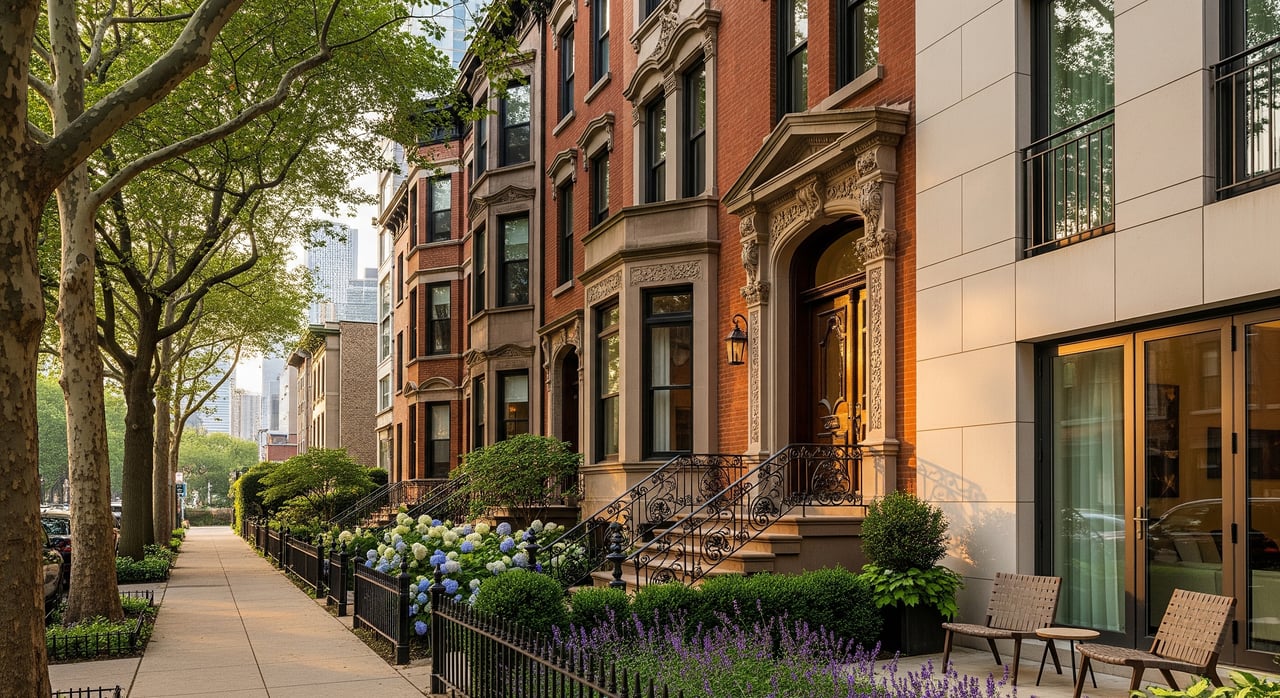
Lincoln Park offers a wide range of homes. You’ll see low- to mid-rise condo buildings along commercial corridors and near the lake. Historic greystones and brick rowhouses line many tree-shaded streets.
You can also find single-family homes and attached townhouses, from classic layouts to modern rebuilds and luxury townhomes. In the blocks closest to the park and lake, higher-end condo buildings often offer premium views and amenities.
Architecturally, the neighborhood mixes late-19th and early-20th-century styles with contemporary infill. Vintage charm sits next to new construction, which gives you real choice in style and finish.
Market dynamics and pricing
Lincoln Park is one of Chicago’s more expensive neighborhoods relative to the citywide median. Entry-level condos and studios are often the value-friendly starting point compared with single-family options, though prices still sit above many other neighborhoods. Townhomes and single-family homes tend to command premiums.
Lakefront residences and premium vintage homes often reach the top of the local price spectrum. Inventory at lower price points can be tight, which creates competition for well-priced homes. Luxury segments may see more variable inventory and sensitivity to pricing.
Rental demand is strong due to young professionals and students connected to DePaul. Investors stay active in small multifamily and condo units, though local zoning and historic rules can shape what you can build or convert.
Ownership costs and fees
Plan for property taxes set by Cook County and local assessments specific to each parcel. If you’re buying a condo or townhome with an association, budget for monthly HOA fees that typically cover building maintenance and may include items like heat, water, and amenities.
Older masonry buildings can carry higher maintenance costs, while newer construction can lower near-term maintenance but sometimes with higher assessments. Buyers and sellers should also plan for typical closing costs, including city and county transfer taxes and recording fees.
Zoning and renovation notes
Parts of Lincoln Park lie within historic and landmark districts. If you plan exterior changes or a demolition, you may need review or permits under city preservation rules. Renovations in landmarked buildings or historic districts often require more steps.
Zoning is mixed across residential and commercial corridors. It can affect additions, conversions, parking requirements, and new construction. If you’re considering a major project, confirm rules early to avoid surprises.
Buyer checklist: make the right fit
Use this quick list to focus your search:
- Lifestyle and location
- Prioritize closeness to the park or beach if outdoor access is key.
- Map walking time to CTA stations and bus routes for daily commuting.
- If schools matter, verify K–8 and high school boundaries and enrollment policies.
- Property due diligence
- For condos and townhomes, request HOA budgets, meeting minutes, reserve studies, and any special assessment or litigation records.
- Inspect mechanicals, masonry, roof, and windows, especially in older buildings.
- Confirm parking, storage, and bike facilities.
- Financial planning
- Include HOA fees, property taxes, and a buffer for potential special assessments.
- If you’re financing a condo, check that the project meets lender requirements.
- Neighborhood trade-offs
- Side streets are often quieter, while commercial blocks and the DePaul area can be busier.
- Summer events and beach days bring more activity around the park and lakefront.
Seller playbook: prepare to stand out
Buyers in Lincoln Park expect move-in-ready function and style. Updated kitchens and baths, organized storage, and serviced mechanicals can shorten market time and support stronger pricing. Outdoor areas like balconies, terraces, and small yards are highly marketable.
If you’re selling a condo, prepare complete HOA documents and highlight recent building improvements or strong reserves. Address common inspection items early, such as roof work, tuckpointing, and elevator updates where applicable.
Price competitively against similar properties, especially in entry-level tiers where demand is strong. Disclose any preservation restrictions, building violations, or pending assessments so buyers can move forward confidently.
Who Lincoln Park fits
You may be a great fit if you want a walkable neighborhood with major green space, easy access to the lake, and a choice of dining and cultural options. Young professionals appreciate the short-to-moderate commute and transit access. Many families value the parks, programming, and proximity to schools and activities.
Investors may focus on smaller condo units or multi-unit buildings. Healthy renter demand and vibrant retail strips create attractive conditions, though returns depend on asset type, location, and building rules.
Work with a local guide
Choosing the right block, the right building, and the right trade-offs can make a big difference. You deserve clear advice that blends street-level insight with smart strategy. The Novit Soldit Group offers buyer representation, high-caliber seller marketing and prep, access to off-market opportunities, and investor-focused support across Chicago’s North Side.
Ready to explore Lincoln Park living or list your home with confidence? Connect with the Novit Soldit Group for a tailored plan and next steps.
FAQs
Is Lincoln Park good for families?
- Yes. The neighborhood offers strong park access, playgrounds, family programming, and proximity to schools. Suitability can vary by block, so evaluate streets and building types that fit your needs.
How walkable and bikeable is Lincoln Park?
- Very. You’ll find dense retail corridors, Divvy stations, and lakefront paths for daily errands and recreation. Specific walk and bike scores vary by block.
What should I know about schools in Lincoln Park?
- Options include Chicago Public Schools and private or parochial choices. Verify school boundaries, enrollment rules, and any waitlists for your exact address.
Is parking difficult in Lincoln Park?
- It depends on the block. Many areas use residential permits, and some buildings include assigned spaces or garages. Confirm your parking needs during showings.
How do HOA fees impact affordability?
- Monthly dues add to your carrying costs. Compare fees across buildings and review what they cover, reserve strength, and any special assessments.
How noisy is Lincoln Park near nightlife or the lakefront?
- Commercial corridors and beach or park areas can be busier, especially in summer or during events. Residential side streets are generally quieter, so choose location to match your preference.